

Nepal is an independent country in Southern Asia, between the Tibet autonomous region of China and India. It contains 8 of the world’s 10 highest peaks, including Mount Everest – the world’s tallest – on the border with Tibet, and Lumbini, the birthplace of Gautama Buddha, the founder of Buddhism.

Mission Nepal Holidays is committed to providing you with a safe, memorable, and culturally enriching trekking experience in the Himalayas. Whether you’re trekking through the ancient kingdom of Upper Mustang or other remote regions of Nepal, we ensure that every step of your journey is filled with breathtaking views, unforgettable experiences, and cultural immersion.Upper Mustang Trekking is one of Nepal’s most mystical and adventurous trekking routes, offering an exclusive journey to the hidden kingdom of Lo. This restricted region in the rain-shadow of the Himalayas remains untouched by modern development, preserving its authentic Tibetan culture, ancient monasteries, and unique traditions.The trek leads you through breathtaking barren landscapes, deep canyons, and towering cliffs sculpted by the forces of nature over centuries. Along the way, trekkers will encounter mesmerizing caves, centuries-old chortens, and traditional walled villages that reflect a time-honoured way of life.Unlike other trekking routes in Nepal, Upper Mustang remains dry throughout the year, making it an ideal destination for monsoon trekking. The region’s dramatic terrain, coupled with panoramic views of Nilgiri, Annapurna, and Dhaulagiri ranges, makes it a paradise for adventure enthusiasts and cultural explorers alike.Top Reasons to Consider the Upper Mustang Trek for Your Next AdventureCultural ExplorationDiscover the unique Tibetan Buddhist culture, ancient monasteries, and traditional caves.Visit the historic walled city of Lo-Manthang, the heart of the Mustang region.Scenic LandscapesExperience mesmerizing views of Nilgiri, Annapurna, and Dhaulagiri ranges.Witness the stunning contrast of red cliffs, barren landscapes, and lush green fields.Rain-Shadow RegionA perfect trek during monsoon as Upper Mustang remains dry.Less crowded compared to other trekking routes.Exclusive & Restricted AreaRequires a special permit, ensuring fewer trekkers and a unique experience.

A Journey Through the Heart of the HimalayasThe Sherpa Village Tengboche Trek is a spectacular journey through the Everest region of Nepal, offering a perfect combination of stunning Himalayan landscapes, rich Sherpa culture, and spiritual experiences at the famous Tengboche Monastery. This moderate-level trek is an ideal choice for adventurers who want to experience the breathtaking beauty of the Everest region without committing to a longer or more strenuous trek, such as the Everest Base Camp Trek. The trek takes you deep into the Khumbu region, allowing you to witness the grandeur of the world’s highest mountains while immersing yourself in the unique traditions of the Sherpa people.Tengboche Monastery – A Spiritual and Cultural HighlightOne of the most important stops on this trek is Tengboche Monastery (3,870m), the spiritual heart of the Khumbu region. This legendary monastery is the largest in the Everest region and offers a truly unique experience. Trekkers can attend morning or evening prayer ceremonies, where Buddhist monks chant prayers and perform rituals, creating an incredibly peaceful and sacred atmosphere.The monastery is also famous for its stunning location, set against the backdrop of Ama Dablam, Everest, and other Himalayan giants. The views from Tengboche are among the most breathtaking in Nepal, making this stop a highlight of the trek. Every year, the monastery hosts the Mani Rimdu Festival, a spectacular Buddhist celebration featuring masked dances, prayers, and cultural performances.The Sherpa Village Tengboche Trek is a spectacular trek in the Everest region of Nepal, offering breathtaking views of the Himalayas, cultural experiences with the Sherpa people, and a visit to the famous Tengboche Monastery.

Experience the pristine and untouched beauty of the Himalayas with the Manaslu Round Trek, a breathtaking journey around the world’s eighth-highest peak, Mt. Manaslu (8,163m). Unlike the more popular trekking circuits in Nepal, this route is remote, less crowded, and offers a deep cultural immersion into the life of the local Gurung, Tibetan, and other ethnic communities residing along the Manaslu region. Trekkers are treated to spectacular views of snow-capped peaks, lush green valleys, rhododendron forests, and glacial rivers.The trek begins in Kathmandu, where trekkers prepare for the journey with briefings and permit arrangements provided by Mission Nepal Holidays, a trusted and experienced trekking company. After traveling from Kathmandu to Machha Khola, trekkers gradually ascend through scenic villages like Jagat, Deng, Namrung, Samagaon, and Samdo, before reaching the high passes that offer panoramic views of Manaslu and surrounding Himalayan peaks. The route not only tests your endurance but also rewards you with the serenity of isolated landscapes and authentic Himalayan hospitality.Highlights of Manaslu Round Trekking:Trek around the majestic Mt. Manaslu (8,163m)Explore traditional villages and Tibetan-influenced monasteriesCross Larkya La Pass (5,160m), one of the most challenging passes in NepalWitness rare Himalayan wildlife and unique floraAvoid crowded trails, offering a tranquil and adventurous trekking experienceThis trek is ideal for adventure enthusiasts, photographers, and cultural explorers seeking an off-the-beaten-path Himalayan experience, combined with professional guidance and support from Mission Nepal Holidays.Best Season for Manaslu Round TrekkingThe Manaslu Circuit trek can be undertaken in two primary seasons: Spring (March to May) and Autumn (September to November). These periods are preferred because the weather is generally stable, skies are clear, and the Himalayan vistas are at their most spectacular.Spring (March-May):The valleys and forests bloom with rhododendrons, magnolias, and alpine flowers. The temperatures are moderate during the day, and the skies are often clear, making it ideal for trekking and photography. Spring is also favorable for wildlife spotting as animals emerge from the harsh winter.Autumn (September-November):Post-monsoon, the landscapes are lush and green, rivers are full, and the mountains appear crisp and bright against the blue skies. Autumn is generally considered the best time for high-altitude trekking due to stable weather and minimal risk of snowfall on passes.Avoid the Monsoon (June-August) due to heavy rainfall, landslides, and leeches in lower regions. Winter (December-February) is suitable for experienced trekkers seeking solitude but expect extremely cold temperatures and snow on high passes.Short list for the best trekking season:Spring: Blooming flowers, moderate weather, clear skiesAutumn: Crisp mountain views, stable weather, post-monsoon greeneryAvoid Monsoon due to heavy rain and landslidesChoosing the right season ensures safety, comfort, and maximum scenic beauty for the Manaslu Circuit trek.Manaslu Round Trekking Difficulty and TransportationThe Manaslu Circuit Trek is considered moderate to strenuous due to its long walking days, steep ascents, and high-altitude passes like Larkya La (5,160m). Trekkers need reasonable physical fitness and prior trekking experience is recommended, especially for acclimatization and endurance.Difficulty Level: Moderate to StrenuousLong trekking days (5–9 hours)High-altitude crossing (over 5,000m)Steep ascents and rocky trailsOccasional river crossings and suspension bridgesTransportation for the trek:Kathmandu to Machha Khola: 8–10 hours by private jeep or tourist bus along the scenic Besisahar-Dumre roadReturn from Taal to Kathmandu: Private jeep or bus, approximately 8–10 hoursWithin the trek: On foot only, with luggage support via porters (arranged by Mission Nepal Holidays)Despite the challenges, proper preparation, physical training, and a professional guide ensure a safe and enjoyable trekking experience.Food and Accommodation for Manaslu Round TrekkingManaslu Round Trekking offers a mix of teahouse lodges and local homestays, providing basic yet comfortable facilities. Most teahouses have simple rooms with beds, blankets, and shared bathrooms. Hot showers may be available in larger villages, while electricity is often limited to charging stations in major stops.Meals and Cuisine:Nepali staples: Dal Bhat (rice and lentils), momo (dumplings), noodles, soupsTibetan-influenced dishes: Thukpa, butter tea, yak cheeseSnacks and beverages: Tea, coffee, energy bars, chocolatesTips:Carry your own snacks and water purification tablets for long stretchesMeals may be slightly expensive in high-altitude villagesVegetarian options are available in most lodgesShort list:Comfortable teahouses & homestays along the routeTraditional Nepali & Tibetan cuisineLimited hot showers & electricityMission Nepal Holidays ensures that trekkers have quality food, comfortable accommodations, and assistance with meal choices suitable for high-altitude trekking.Manaslu Round Trekking PermitsManaslu is a restricted region, requiring special permits for all trekkers. A licensed trekking guide is mandatory for the trek. Mission Nepal Holidays assists in obtaining all necessary permits to ensure a smooth journey.Permits Required:Manaslu Restricted Area Permit (MRAP)Manaslu Conservation Area Permit (MCAP)Annapurna Conservation Area Permit (ACAP) (for the initial access points)Permit Highlights:Ensures environmental protection and conservation of the Manaslu regionHelps maintain sustainable tourism and local livelihoodsRequires passport, passport-sized photos, and trekking itinerariesWithout proper permits, entry into the region is strictly prohibited, and guides play a key role in compliance with local regulations.Why Choose Manaslu Round TrekkingChoosing Manaslu Round Trekking with Mission Nepal Holidays guarantees an authentic, safe, and unforgettable Himalayan adventure. This trek stands out for its off-the-beaten-path appeal, offering solitude, cultural immersion, and unspoiled natural beauty.Reasons to choose this trek:Less crowded than Annapurna or Everest circuitsOpportunity to cross Larkya La Pass, a major trekking challengeExperience Tibetan-influenced culture, monasteries, and villagesProfessionally guided by experienced staff with local knowledgeSupports sustainable tourism and local communitiesWith personalized itineraries, permit arrangements, porter support, and cultural insights, Mission Nepal Holidays ensures that every trekker enjoys a safe, organized, and life-changing adventure in the Manaslu region.

A highlight of the journey is the visit to Everest Base Camp (5364m) and the early-morning climb to Kala Patthar (5545m)—the best panoramic viewpoint of Mt. Everest, Lhotse, Nuptse, and surrounding giants. Along the way, trekkers explore Sagarmatha National Park, a UNESCO World Heritage Site known for its rare wildlife, scenic forests, and ice-carved landscapes. Mission Nepal Holidays ensures smooth logistics, trained guides, reliable porters, and well-planned acclimatization days for safety and comfort. Whether you are seeking adventure, culture, or personal accomplishment, this trek offers a transformative Himalayan experience.Guided by certified Mission Nepal Holidays expertsVisit Everest Base Camp, Kala Patthar & Tengboche MonasteryExplore Namche Bazaar & Sagarmatha National ParkBeautiful Sherpa culture & mountain scenerySafe acclimatization and well-planned daily itineraryBest Season for the Everest Base Camp TrekThe best seasons to trek to Everest Base Camp are Spring (March–May) and Autumn (September–November). During Spring, the weather is warm, dry, and stable, with crystal-clear mountain views and longer daylight hours. Rhododendrons bloom across the hills, painting the trails with vibrant colors, and wildlife activity increases within Sagarmatha National Park. Temperatures at night remain cold but manageable, making it one of the most comfortable times of the year to trek.Autumn offers equally exceptional conditions, with post-monsoon clarity producing some of the sharpest Himalayan vistas of the year. The skies are blue, the air is fresh, and trekking paths remain well-maintained and safe. This season also includes major cultural festivals like Dashain and Tihar, allowing trekkers to experience the cultural richness of Nepal. Both seasons offer excellent visibility, ideal trekking weather, and reduced flight delays when traveling to and from Lukla.Best Trekking Months:Spring: March, April, MayAutumn: September, October, NovemberStable weather & excellent visibilityFewer flight disruptionsEverest Base Camp Trek Difficulty, Transportation & PermitsThe Everest Base Camp Trek is considered moderate to challenging, requiring good physical fitness, stamina, and preparation. Trekkers walk between 5–7 hours daily on rugged mountain terrain, gaining altitude gradually as they enter the thin-air region above 4,000m. While the trek does not require technical mountaineering skills, proper acclimatization is essential to prevent altitude sickness. Mission Nepal Holidays ensures a safe pace, rest days, and experienced guides trained to handle emergencies.Transportation includes a scenic flight from Manthali or Kathmandu to Lukla, one of the most adventurous air routes in the world. These flights provide stunning Himalayan views and save days of trekking time. On the return journey, trekkers fly back the same route. To enter the Everest region, travelers must obtain the Khumbu Pasang Lhamu Rural Municipality Permit and the Sagarmatha National Park Permit—both arranged by Mission Nepal Holidays for a hassle-free experience.Key Points:Difficulty: Moderate–HardRequires good fitness & acclimatizationTransportation: Manthali–Lukla flightsRequired Permits handled by Mission Nepal HolidaysFood and Accommodation for the Everest Base Camp TrekFood on the Everest Base Camp trail is provided through traditional Sherpa teahouses, offering warm meals and a surprising variety of dishes. Trekkers can enjoy Nepali staples like dal bhat, Sherpa stew, fried rice, pasta, soups, pancakes, and fresh bakery items in Namche Bazaar. Mission Nepal Holidays ensures hygienic food preparation, clean kitchens, and reliable meal options throughout the journey. Warm drinks—including tea, coffee, ginger lemon honey, and hot chocolate—help travelers stay energized in the cold mountain climate.Accommodation consists of comfortable teahouse lodges with clean rooms, warm blankets, communal dining areas, and basic facilities. As altitude increases, amenities become simpler, but the hospitality of the Sherpa people remains exceptional. Some towns, such as Namche Bazaar and Dingboche, offer upgraded lodging with attached bathrooms and heated dining halls. Mission Nepal Holidays arranges the best available accommodations to ensure comfort and rest after each day’s trek.Food & Stay Highlights:Nutritious meals prepared in local teahousesComfortable rooms with warm beddingHygienic kitchens & safe drinking optionsOptions for upgraded accommodation in major villagesWhy Choose the Everest Base Camp Trek?The Everest Base Camp Trek is more than a journey—it is a life-changing experience that challenges your limits, celebrates your spirit, and brings you face-to-face with the world’s highest mountains. Travelers choose this trek to witness the breathtaking beauty of the Khumbu Valley, stand at the foot of Mount Everest, and immerse themselves in Sherpa culture. The trail is filled with centuries of tradition, iconic monasteries, high-altitude landscapes, and unforgettable Himalayan sunrises.Mission Nepal Holidays enhances this adventure through expert planning, responsible tourism, and dedicated guides who prioritize safety and comfort. The trek offers an empowering sense of achievement, as each step brings you closer to an extraordinary goal. Whether you seek adventure, personal growth, photography opportunities, or cultural immersion, the Everest Base Camp Trek promises memories that last a lifetime.Reasons to Choose This Trek:Stand at the base of Mount EverestExperience Sherpa culture & monasteriesSafe, well-managed itinerary by Mission Nepal HolidaysInspiring landscapes & panoramic Himalayan viewsA rewarding journey for both first-timers and experienced trekkers

The journey begins with a thrilling flight from Kathmandu to Lukla (2,860m), followed by a trek through lush forests, crossing the Dudh Koshi River on suspension bridges, and passing picturesque villages such as Phakding (2,610m) and Namche Bazaar (3,440m), the bustling capital of the Sherpa community. After acclimatizing in Namche, trekkers continue to Tengboche (3,860m), home to the famous Tengboche Monastery, where the backdrop of Ama Dablam, Everest, and Lhotse creates a mesmerizing view. The trail then ascends to Dingboche (4,410m) and Chhukung (4,730m), where the real challenge begins with the first high pass, Kongma La (5,535m), which offers a rugged and adventurous ascent before descending to Lobuche (4,910m). From here, the trek leads to the iconic Everest Base Camp (5,364m), the ultimate dream destination for many trekkers, followed by a morning hike to Kala Patthar (5,545m), the best viewpoint for a close-up panorama of Mount Everest. The journey continues through Dzongla (4,830m) before crossing the icy and steep Cho La Pass (5,420m), leading to the pristine Gokyo Lakes (4,790m), one of the most stunning locations in Nepal.A side trek to Gokyo Ri (5,357m) provides breathtaking 360-degree views of Everest, Cho Oyu, Lhotse, and Makalu. The final pass, Renjo La (5,360m), rewards trekkers with an incredible perspective of the Gokyo Valley and Everest region, before descending to Lungden (4,380m) and eventually making the way back to Namche Bazaar and Lukla. The trek concludes with a scenic flight back to Kathmandu. The Everest Three Passes Trek is best done in spring (March-May) or autumn (September-November) when the weather is stable, and visibility is clear. Due to its high altitude and physically demanding routes, it is recommended for experienced trekkers with good fitness levels. Proper acclimatization, hydration, and gradual ascent are essential to avoid altitude sickness. This trek is an unparalleled adventure for those seeking the ultimate Himalayan trekking experience, combining high-altitude challenges, stunning landscapes, cultural encounters, and unforgettable moments in the world’s most iconic mountain region. Whether you’re an experienced trekker looking for a challenge or a passionate traveler aiming to explore the raw beauty of the Everest region, the Three Passes Trek offers an unparalleled adventure filled with breathtaking landscapes, cultural immersion, and the thrill of conquering three of Nepal’s most famous high-altitude passes.

The Annapurna Base Camp Trek offers a magical experience for trekkers, combining stunning Himalayan views, cultural immersion, and diverse landscapes. Whether you’re a seasoned trekker or a beginner seeking a challenge, this trek has something for everyone.Book your Annapurna Base Camp Trek today and embark on a life-changing adventure in the heart of the Himalayas!The Annapurna Base Camp Trek (ABC Trek) is one of the most renowned trekking routes in Nepal, offering trekkers a once-in-a-lifetime opportunity to witness some of the world’s highest peaks. Located in the heart of the Annapurna Conservation Area, the trek takes you through a variety of landscapes, from lush subtropical forests to alpine meadows, with stunning views of Annapurna I (8,091m), Machapuchare (6,993m), and Dhaulagiri.This moderately challenging trek combines adventure, culture, and breathtaking natural beauty. It’s accessible to trekkers with moderate fitness levels and requires no technical climbing skills, making it perfect for both beginners and experienced trekkers.Annapurna Base Camp Trek Itinerary OverviewThe Annapurna Base Camp Trek, organized by Mission Nepal Holidays, is one of the most iconic trekking experiences in Nepal. This trek takes you through diverse landscapes, from lush subtropical forests and terraced fields to high-altitude alpine terrain, culminating at the base of the majestic Annapurna Massif. It offers trekkers the opportunity to experience traditional Gurung and Magar villages, local culture, and hospitality along the way. The trek is designed for adventurers who want to witness panoramic views of Annapurna I, Machapuchare (Fishtail), Hiunchuli, and Dhaulagiri up close, all while trekking through a stunning variety of landscapes.Starting from Nayapul or Pokhara, trekkers journey through charming villages like Tikhedhunga, Ghorepani, Chhomrong, and Bamboo, passing through dense rhododendron forests and terraced fields. One of the highlights is the sunrise at Poon Hill, which provides a breathtaking panoramic view of the Himalayas. The trek reaches its peak at Annapurna Base Camp (4,130m), a place surrounded by towering peaks, glaciers, and dramatic landscapes. This trek is perfect for trekkers seeking adventure, cultural immersion, and nature at its finest.Highlights of Annapurna Base Camp Trek:Panoramic views of Annapurna, Machapuchare, and DhaulagiriSunrise at Poon HillTraditional Gurung and Magar villagesScenic trekking through forests, waterfalls, and terraced landscapesNatural hot springs at Jhinu DandaBest Season for Annapurna Base Camp TrekThe best times to trek the Annapurna Base Camp are spring (March to May) and autumn (September to November). These months offer stable weather, clear skies, and breathtaking mountain views. Spring brings blooming rhododendrons, lush green forests, and moderate temperatures, making the trail vibrant and picturesque. Autumn, on the other hand, provides crisp air and excellent visibility of the Himalayan peaks, making it ideal for photography and high-altitude trekking.While winter (December to February) is possible, trekkers should be prepared for cold temperatures, especially at higher altitudes, and occasional snowfall on the trails. The monsoon season (June to August) is generally not recommended due to heavy rainfall, landslides, and slippery trails, which can make trekking unsafe. Planning your trek with Mission Nepal Holidays during the optimal seasons ensures better weather, fewer crowds, and a more enjoyable trekking experience.Short Points – Best Season:Spring (March to May) – blooming flowers, moderate temperatureAutumn (September to November) – clear skies, peak visibilityWinter (December to February) – cold but possibleMonsoon (June to August) – heavy rain, slippery trails, less recommendedAnnapurna Base Camp Trek Difficulty and TransportationThe Annapurna Base Camp Trek is classified as moderate difficulty, making it suitable for both beginners and experienced trekkers. While it doesn’t require technical climbing skills, it does demand good physical fitness and endurance. Trekkers should be prepared for daily hikes ranging from 4 to 7 hours, steep ascents, and the challenge of high-altitude trekking. Gradual acclimatization along the trail, especially at Ghorepani, Tadapani, and Chhomrong, is crucial to avoid altitude sickness.Transportation for the trek usually begins with a scenic drive or short flight from Kathmandu to Pokhara. From Pokhara, trekkers are driven to Nayapul, the starting point of the trek. The journey through winding mountain roads offers stunning views of rivers, valleys, and rural landscapes. On the trek itself, all movement is by foot, providing an immersive experience with nature. Mission Nepal Holidays ensures all logistics are handled, including transportation, guiding services, and porters to carry luggage, making the trek comfortable and safe.Key Points – Difficulty & Transportation:Moderate trekking difficulty, no technical skills requiredDaily hiking: 4–7 hoursSteep ascents and descentsAltitude acclimatization requiredTransport: Drive/fly Kathmandu to Pokhara, drive to NayapulFood and Accommodation for Annapurna Base Camp TrekDuring the Annapurna Base Camp trek, food and accommodation are primarily in tea houses and lodges, which provide a comfortable and authentic trekking experience. Tea houses typically offer basic rooms with beds and shared bathrooms, while higher-end lodges may include private rooms with hot showers. The quality of accommodation improves as trekkers descend from higher altitudes. Trekkers can expect to stay in cozy villages surrounded by serene mountain landscapes.Food along the trek is simple yet nourishing. Local Nepali dishes such as dal bhat (rice and lentil soup), momo (dumplings), and vegetable curries are widely available. Western options like pasta, noodles, and sandwiches are also offered in most tea houses. Staying hydrated and eating well is essential, especially at high altitudes. Mission Nepal Holidays ensures trekkers have access to hygienic meals and comfortable lodging throughout the journey.Short Points – Food & Accommodation:Tea houses and lodges with basic to moderate amenitiesLocal Nepali dishes: dal bhat, momo, curryWestern meals available in most villagesHot showers available at select lodgesComfortable lodging with mountain viewsAnnapurna Base Camp Trek PermitsTo trek to Annapurna Base Camp, certain permits are mandatory. These permits are required to enter the Annapurna Conservation Area and to ensure trekkers are officially registered for safety purposes. Mission Nepal Holidays assists trekkers with obtaining these permits to ensure a smooth trekking experience.The required permits include:Annapurna Conservation Area Permit (ACAP): Grants access to the protected area and contributes to local conservation efforts.Trekkers’ Information Management System (TIMS) Card: Required for trekking in most regions of Nepal, ensuring safety and registration of trekkers.These permits are generally obtained in Kathmandu or Pokhara before starting the trek, and Mission Nepal Holidays handles the documentation to make the process hassle-free. Carrying these permits is mandatory and may be checked at various points along the trail.Short Points – Permits:Annapurna Conservation Area Permit (ACAP)Trekkers’ Information Management System (TIMS) CardRequired for trekking and safety registrationHandled by Mission Nepal HolidaysWhy Choose Annapurna Base Camp TrekThe Annapurna Base Camp Trek is ideal for adventurers, nature lovers, and cultural enthusiasts. The trek offers unparalleled mountain scenery, immersive cultural experiences, and a sense of accomplishment when reaching ABC, surrounded by some of the world’s highest peaks. Unlike other treks, it combines moderate difficulty with high reward, offering an accessible yet thrilling Himalayan experience.Choosing Mission Nepal Holidays ensures a professional and well-organized trek. From arranging permits, guiding services, and transportation to providing comfortable tea house accommodation and nutritious meals, the company prioritizes trekkers’ safety, comfort, and overall experience. Their knowledgeable guides share insights about local culture, wildlife, and geography, making the journey educational as well as adventurous. With expert support and well-planned itineraries, trekkers can focus on enjoying the scenery, photography, and the unforgettable experience of walking in the Annapurna region.Short Points – Why Choose ABC Trek with Mission Nepal Holidays:Stunning Himalayan views and Poon Hill sunriseCultural immersion in Gurung and Magar villagesModerate trekking difficulty for adventurous travelersExpert guides and organized logisticsComfortable accommodation and nutritious meals

Embark on a mesmerizing journey through Nepal’s most iconic destinations with our Taste of Nepal Tour. This 7-night, 8-day adventure takes you through a perfect blend of cultural heritage, natural beauty, and thrilling wildlife experiences. From the bustling city of Kathmandu, rich in ancient temples and palaces, to the tranquil landscapes of Pokhara, home to stunning lakes and adventure activities, this tour offers an incredible mix of history, nature, and thrill.Discover the exotic wildlife of Chitwan National Park, where you can experience an up-close encounter with rare animals such as rhinos and Bengal tigers. Then, take in the breathtaking views from Nagarkot, one of the most picturesque hill stations in Nepal, offering panoramic Himalayan vistas.This tour is designed to immerse you in Nepal’s diverse culture, natural wonders, and warm hospitality. Whether you are a history enthusiast fascinated by centuries-old heritage, a nature lover seeking scenic tranquility, or an adrenaline seeker eager for adventure activities, Nepal has something unique to offer for every traveler. Join us on this journey to create memories that will last a lifetime.Highlights of the Nepal Tour:Guided sightseeing in Kathmandu’s UNESCO World Heritage sitesScenic drive to Pokhara with panoramic Himalayan viewsLeisure and adventure activities in PokharaJungle safari and cultural programs in ChitwanComfortable travel between destinations with professional driversOpportunities to interact with local communitiesThis tour is ideal for travelers who want a blend of culture, nature, and adventure, creating memories that last a lifetime. With Mission Nepal Holidays, every detail is carefully curated to ensure comfort, safety, and unforgettable experiences.Food and Accommodation for Nepal TourNepal offers a delightful culinary experience that reflects its rich cultural diversity, and during your tour with Mission Nepal Holidays, you will get the opportunity to savor authentic Nepali flavors while staying in comfortable accommodations tailored to your needs. Each day of the tour promises delicious meals, ranging from traditional Nepali dishes such as momo (dumplings), dal bhat (lentil soup with rice), and gundruk (fermented leafy greens), to international cuisines to suit varied palates. Special arrangements can also be made for vegetarian, vegan, or other dietary preferences, ensuring a stress-free dining experience throughout your journey.Our carefully selected accommodations are designed to combine comfort, convenience, and cultural immersion. In Kathmandu, you will stay in hotels that are centrally located, allowing easy access to the city’s iconic landmarks while providing modern amenities such as free Wi-Fi, in-house restaurants, and warm Nepali hospitality. In Pokhara, enjoy lakeside resorts with stunning views of Phewa Lake and the Annapurna range, offering a peaceful retreat after your day of sightseeing and adventure activities. Chitwan provides jungle lodges and resorts, giving you a chance to experience the natural beauty of the region while enjoying comfortable rooms, local cuisine, and guided safari experiences.Highlights of Food and Accommodation:Authentic Nepali cuisine and international dining optionsCustomized meals for dietary preferencesCentrally located hotels in KathmanduLakeside resorts in Pokhara with panoramic mountain viewsJungle lodges in Chitwan for immersive wildlife experiencesComfortable rooms with modern amenities and warm hospitalityWhether you are enjoying a serene dinner overlooking the Himalayan peaks in Pokhara or tasting freshly prepared Nepali dishes after an adventurous day in Chitwan, Mission Nepal Holidays ensures that your stay is both comfortable and culturally enriching, creating lasting memories of your Nepal journey.Why Choose Nepal TourNepal is a land of unparalleled beauty, history, and adventure, and choosing a Nepal Tour with Mission Nepal Holidays ensures that you experience the very best of what this majestic country has to offer. From the moment you arrive in Kathmandu, you are greeted with a rich tapestry of culture, tradition, and natural splendor. This tour is designed to provide a perfect balance of sightseeing, adventure, relaxation, and cultural immersion, making it ideal for families, solo travelers, and groups alike. Each destination has been carefully selected to offer a unique experience, whether it’s exploring ancient temples in Kathmandu, boating on the serene Phewa Lake in Pokhara, or venturing into the wilds of Chitwan National Park.Choosing Mission Nepal Holidays ensures not only convenience but also safety, comfort, and personalized attention. Our professional team of guides provides deep insights into local culture, history, and wildlife, making your journey informative as well as enjoyable. Transportation between destinations is comfortable and reliable, allowing you to enjoy scenic drives without the stress of navigation. The tour is crafted to provide a mix of leisurely exploration and adventure, giving you the chance to participate in activities such as boating, jungle safaris, and nature walks, while also enjoying moments of calm and reflection amidst Nepal’s breathtaking landscapes.Reasons to Choose Nepal Tour with Mission Nepal Holidays:Well-planned itinerary covering Kathmandu, Pokhara, and ChitwanExpert local guides providing cultural and historical insightsSafe and comfortable transportation and accommodationsOpportunities for adventure, wildlife encounters, and sightseeingPersonalized attention and flexible arrangementsExposure to authentic Nepali culture, food, and traditionsBy choosing this Nepal tour, you are not just visiting a country—you are experiencing a journey that combines natural beauty, historical richness, and warm local hospitality. Mission Nepal Holidays promises a seamless, enriching, and unforgettable travel experience that leaves you with memories to cherish for a lifetime.

For Hindus, Muktinath is one of the 108 Divya Desams and is closely associated with Lord Vishnu. Devotees believe that bathing in the 108 sacred water spouts (Muktidhara) and the two holy ponds (Mukti Kunda) washes away sins and leads to liberation. For Buddhists, the site is revered as Chumig Gyatsa, a place sanctified by Guru Rinpoche (Padmasambhava), who meditated here centuries ago. This convergence of faiths makes Muktinath a unique spiritual destination.Muktinath Temple: Dedicated to Lord Vishnu, featuring an eternal flame that has been burning for centuries.Jwala Mai Temple: Home to a naturally burning flame, considered a divine phenomenon.108 Sacred Water Spouts (Muktidhara): Pilgrims take ritual baths for purification.Kali Gandaki River: The sacred river where Shaligram stones, symbols of Lord Vishnu, are found.Himalayan Views: Spectacular panorama of snow-capped peaks and the arid Mustang landscape.A journey to Muktinath offers both spiritual awakening and breathtaking natural beauty, making it an unforgettable pilgrimage experience.Best Season for Muktinath Pilgrimage TourThe best time to undertake a Muktinath Pilgrimage Tour is during spring (March to May) and autumn (September to November). During these months, the weather is clear, making the mountainous journey safer and more enjoyable.Spring (March–May): Snow starts melting, trails are accessible, and the surroundings bloom with alpine flowers.Autumn (September–November): Clear skies, moderate temperatures, and stunning views of the Himalayan peaks.Avoid Winter (December–February): Extremely cold temperatures, heavy snowfall, and limited accessibility.Monsoon (June–August): Risk of landslides, slippery trails, and poor visibility in the mountains.Planning your pilgrimage during the ideal season ensures a safer and more comfortable journey while maximizing spiritual and photographic experiences.Muktinath Pilgrimage Tour Difficulty and TransportationThe Muktinath pilgrimage involves a combination of flights, road travel, and moderate trekking, making it suitable for travelers with basic fitness levels. The journey is carefully designed to minimize altitude sickness while allowing pilgrims to experience the beauty of the Annapurna region.Transportation:Flight from Pokhara to Jomsom, followed by a short drive to Kagbeni and then Muktinath.Return to Jomsom by road and fly back to Pokhara.Difficulty Level: ModerateMinimal trekking required; most of the journey is accessible by vehicle.The high-altitude Muktinath area may require gradual acclimatization.Duration: Usually covered comfortably in a 8-day itinerary, allowing rest and sightseeing.Mission Nepal Holidays ensures safe travel by providing experienced drivers, reliable domestic flights, and guidance throughout the pilgrimage.Food and Accommodation for Muktinath Pilgrimage TourComfortable accommodation and authentic food are integral parts of the pilgrimage. While in Jomsom and Pokhara, travelers stay in well-maintained hotels and guesthouses, offering clean rooms and basic amenities. Near Muktinath, lodges provide a warm resting place after the high-altitude journey.Food Options:Traditional Nepali dishes like dal bhat, momo, and thukpa.Tibetan cuisine such as noodles and butter tea.Availability of snacks and light meals during road and flight journeys.Accommodation:Hotels in Pokhara for city comfort.Guesthouses and lodges in Jomsom for convenient access to Muktinath.Simple facilities near Muktinath for overnight stays if required.Mission Nepal Holidays ensures hygienic food and comfortable lodging, keeping pilgrims’ health and well-being a priority throughout the journey.Muktinath Pilgrimage Tour PermitsTraveling to Muktinath involves passing through the Upper Mustang region, which requires official permits. Mission Nepal Holidays assists pilgrims in obtaining all necessary documentation smoothly.Mustang Restricted Area Permit (RAP): Mandatory for all foreign travelers entering Mustang.Trekking Permits: Required for specific trails if extended treks are included.Travel Assistance: Mission Nepal Holidays handles all permit applications in advance, ensuring hassle-free access.With these permits, pilgrims can explore Muktinath and the surrounding Mustang region without administrative concerns.Why Choose Mission Nepal Holidays for Muktinath Pilgrimage TourMission Nepal Holidays specializes in spiritual and adventure tours across Nepal. Choosing them for your Muktinath pilgrimage guarantees a smooth, safe, and spiritually enriching experience.Expert Guidance: Experienced guides knowledgeable in the history and rituals of Muktinath.Safe Travel: Reliable domestic flights, vehicles, and trained drivers.Customized Itineraries: Flexibility to include sightseeing in Pokhara and Kathmandu.Comfort & Convenience: Quality accommodation and authentic local cuisine.Spiritual Focus: Emphasis on the religious and cultural significance of Muktinath.A journey with Mission Nepal Holidays ensures not just travel but a complete spiritual experience, combining devotion, adventure, and the natural beauty of Nepal.

The Ghorepani Poon Hill Trek is one of Nepal’s most popular short trekking routes, offering a perfect blend of natural beauty, cultural encounters, and panoramic Himalayan views. Managed by Mission Nepal Holidays, this trek is ideal for travelers who want to experience the Annapurna region without committing to a long or highly strenuous journey. The trek usually spans 5–7 days, taking you through lush rhododendron forests, traditional Gurung and Magar villages, terraced fields, and viewpoints that provide unforgettable sunrise vistas.The highlight of the trek is the early morning hike to Poon Hill (3,210m), which offers a breathtaking 360-degree view of prominent peaks such as Dhaulagiri, Annapurna South, Machapuchare (Fishtail), and Nilgiri. Along the way, trekkers can enjoy encounters with friendly locals, glimpse traditional mountain lifestyles, and walk through some of the most pristine and photogenic forests in Nepal. Mission Nepal Holidays ensures the trek is conducted with comfort, safety, and a rich cultural experience, making it perfect for both beginner and intermediate trekkers.Trek duration: 5–7 daysHighest point: Poon Hill (3,210m)Scenic highlights: Annapurna and Dhaulagiri ranges, rhododendron forestsCultural exposure: Gurung and Magar villagesBest Season for Ghorepani Poon Hill TrekThe best time to undertake the Ghorepani Poon Hill Trek is during the pre-monsoon (March to May) and post-monsoon (September to November) seasons. During spring, the hills are carpeted with vibrant rhododendron blooms, creating a spectacular visual experience. Clear skies and moderate temperatures make trekking comfortable, and the visibility of snow-capped peaks is usually excellent. Autumn, on the other hand, is favored for its stable weather and crisp mountain views, making sunrise at Poon Hill truly unforgettable.Winter (December to February) is less crowded, but cold temperatures and occasional snowfall may make trekking challenging. Monsoon season (June to August) brings heavy rain, slippery trails, and limited visibility of the Himalayan peaks, so it is generally not recommended. Mission Nepal Holidays carefully plans itineraries to ensure travelers enjoy the best weather and scenery, enhancing both comfort and safety.Key Points:Spring (March–May): Blooming rhododendrons, moderate weatherAutumn (September–November): Clear skies, ideal mountain viewsWinter (December–February): Fewer crowds, cold temperaturesMonsoon (June–August): Heavy rain, limited visibilityGhorepani Poon Hill Trek Difficulty and TransportationThe Ghorepani Poon Hill Trek is considered moderate in difficulty, suitable for beginners with reasonable fitness and experienced trekkers alike. The trail involves steady ascents and descents, often on stone steps and narrow paths, but no technical climbing is required. Average trekking days range from 4 to 6 hours, with the most challenging portion being the early morning hike to Poon Hill for sunrise. Mission Nepal Holidays ensures that pacing is comfortable and supports trekkers with knowledgeable guides.Transportation is straightforward, with options including a drive or flight from Kathmandu to Pokhara, followed by a short drive to the trailhead at Nayapul. From there, the trek begins through lush forests and villages. Porters and guides arranged by Mission Nepal Holidays carry luggage, allowing trekkers to enjoy a lighter load. Local buses or private jeeps are available for return transfers to Pokhara or Kathmandu.Key Points:Trekking difficulty: ModerateAverage walking time: 4–6 hours/dayHighest point: Poon Hill (3,210m)Transportation: Flight or drive to Pokhara, drive to NayapulFood and Accommodation for Ghorepani Poon Hill TrekAccommodation along the Ghorepani Poon Hill Trek consists mainly of tea houses and lodges, offering basic but comfortable rooms with shared bathrooms. Trekkers can enjoy warm meals after a day of hiking, with a mix of local Nepali cuisine and simple Western options. Dal Bhat (rice and lentils), momo (dumplings), and noodle dishes are commonly served, ensuring trekkers are well-fueled for their journey.Mission Nepal Holidays partners with trusted tea houses, prioritizing hygiene and comfort. Hot showers and charging facilities are often available for a small fee. For vegetarian, vegan, or other dietary needs, guides can make arrangements in advance to ensure that trekkers enjoy a healthy and satisfying diet throughout the trek.Key Points:Accommodation: Tea houses and lodgesMeals: Local Nepali cuisine, some Western optionsFacilities: Hot showers, charging points, Wi-Fi (limited)Dietary support: Vegetarian, vegan, and special meals availableGhorepani Poon Hill Trek PermitsTrekking in the Annapurna region requires two main permits: the Annapurna Conservation Area Permit (ACAP) and the Trekkers’ Information Management System (TIMS) card. The ACAP permit helps preserve the environment and supports local communities, while the TIMS card ensures safety and tracking of trekkers. Mission Nepal Holidays handles all permit arrangements, saving time and ensuring that trekkers comply with local regulations.Key Points:Required permits: ACAP and TIMSManaged by: Mission Nepal Holidays for conveniencePurpose: Environmental conservation and trekkers’ safetyPermit fees: Varies depending on nationalityWhy Choose Ghorepani Poon Hill TrekChoosing the Ghorepani Poon Hill Trek with Mission Nepal Holidays ensures a seamless experience combining adventure, culture, and nature. The trek is suitable for beginners, yet rewarding enough for experienced trekkers. Highlights include panoramic sunrise views from Poon Hill, vibrant rhododendron forests, and visits to traditional Gurung and Magar villages.Mission Nepal Holidays provides professional guides, comfortable accommodations, well-planned itineraries, and full logistical support, ensuring safety and convenience throughout the trek. Whether you are traveling solo, with friends, or in a group, this trek offers unforgettable Himalayan scenery, cultural immersion, and a true sense of adventure.Key Points:Professional guides and support staffCultural exposure in local villagesStunning Himalayan viewsComfortable and well-organized trek experience

The Annapurna Circuit Trek with Tilicho Lake is one of the most iconic trekking routes in Nepal, offering a blend of breathtaking Himalayan landscapes, diverse cultures, and high-altitude adventure. Beginning from Kathmandu, the trek passes through charming villages, lush forests, terraced farmlands, and rugged mountain terrains, culminating at the magnificent Tilicho Lake (4,920m)—the world’s highest lake. This journey also includes the famous Thorong La Pass (5,416m), one of the highest trekking passes in the world, which provides unparalleled panoramic views of Annapurna, Dhaulagiri, and Nilgiri peaks.The trek typically spans 16-18 days, allowing ample time for acclimatization, exploration, and enjoying the serene beauty of the Himalayas. Along the route, trekkers experience unique Gurung, Thakali, and Manangi cultures, traditional teahouses, and local hospitality, making it a perfect combination of adventure and cultural immersion.Tilicho Lake, the highest lake in the worldThorong La Pass adventure at 5,416mStunning views of Annapurna, Dhaulagiri, and NilgiriCultural villages of Manang, Chame, and PisangBest Season for Annapurna Circuit Trek with Tilicho LakeThe trek is highly seasonal, and timing your journey is crucial for safety and enjoyment. The autumn season (September to November) is the most popular time due to stable weather, clear skies, and ideal trekking conditions. Spring (March to May) is also excellent, with blooming rhododendrons and lush landscapes, offering a more vibrant trekking experience.Winter trekking is possible but challenging due to heavy snow at high altitudes, especially near Thorong La Pass and Tilicho Lake. Monsoon (June to August) is generally avoided because of landslides, slippery trails, and heavy rainfall, which can disrupt trekking schedules.Best season points:Autumn (Sep–Nov): Clear skies, moderate weatherSpring (Mar–May): Blooming flowers, lush valleysWinter (Dec–Feb): Cold, less crowded, snow-covered landscapesAnnapurna Circuit Trek with Tilicho Lake Difficulty and TransportationThe trek is moderately challenging to strenuous, suitable for physically fit trekkers. Daily trekking ranges from 5 to 10 hours, often involving steep ascents, descents, and high-altitude trekking. Proper acclimatization days at Manang and High Camp are crucial to prevent altitude sickness.Transportation from Kathmandu to the trailhead involves either a scenic drive to Syange/Jagat (8–10 hours) or a combination of flights and local transfers. On the way back, trekkers can fly from Jomsom to Pokhara or enjoy a road journey for picturesque views of the Mustang region and Pokhara valley.Difficulty points:Moderate to strenuous, suitable for fit trekkersAltitude reaches up to 5,416m at Thorong LaDaily trekking: 5–10 hoursTransportation points:Kathmandu to Syange/Jagat by roadJomsom to Pokhara by flight or roadFood and Accommodation for Annapurna Circuit Trek with Tilicho LakeThe Annapurna Circuit Trek offers a mix of local and international cuisine. Teahouses along the trail provide Dal Bhat (traditional Nepalese meal), noodles, pasta, soups, and snacks, catering to vegetarians and non-vegetarians alike. Trekkers are advised to carry high-energy snacks for long trekking days, particularly when approaching Tilicho Lake.Accommodation is mainly in tea houses, which offer simple, clean rooms with shared bathrooms. In popular areas like Manang, Chame, and Jomsom, lodges may offer slightly more comfort, including Wi-Fi and hot showers. Trekkers should note that above 4,000m, facilities may become basic due to remoteness.Food points:Dal Bhat, noodles, soups, snacksLimited options above 4,000mAccommodation points:Tea houses with basic amenitiesHot showers in larger villagesShared rooms in high-altitude areasAnnapurna Circuit Trek with Tilicho Lake PermitsTrekking in the Annapurna region requires specific permits, ensuring safety and conservation. Trekkers need:Annapurna Conservation Area Permit (ACAP) – Required for the Annapurna regionTrekkers’ Information Management System (TIMS) card – Required for trekking in NepalThese permits can be obtained in Kathmandu or Pokhara, and trekkers should carry multiple copies for checkpoints along the trail. Permits are mandatory, and guides or agencies like Mission Nepal Holidays can assist in securing them smoothly.Permit points:ACAP for conservation areaTIMS card for trekking registrationWhy Choose Annapurna Circuit Trek with Tilicho LakeChoosing this trek with Mission Nepal Holidays ensures a safe, organized, and memorable journey. Our experienced guides, reliable porters, and carefully planned itinerary take the stress out of high-altitude trekking. You benefit from local knowledge, cultural insights, and guaranteed safety measures.This trek is ideal for those seeking adventure, natural beauty, and cultural experiences. From the serene Tilicho Lake to the exhilarating Thorong La Pass, trekkers will witness landscapes ranging from subtropical forests to high Himalayan deserts, making it a lifetime experience.Reasons to choose:Expert guides and portersWell-planned itinerary with acclimatizationSafe and reliable trekking logisticsCultural immersion and Himalayan adventure

The Everest Base Camp Luxury Trek with Helicopter Return offered by Mission Nepal Holidays is the pinnacle of Himalayan adventure, combining the thrill of trekking to the iconic Everest Base Camp (5,364m) with the comfort and convenience of a luxury travel experience. This journey is designed for trekkers who wish to explore the grandeur of the Everest region without compromising on style, safety, or comfort. The trek passes through the Sagarmatha National Park, offering breathtaking views of towering Himalayan peaks, serene rivers, and traditional Sherpa villages. Unlike standard treks, this itinerary includes luxury lodges with high-end amenities, fine dining, and personalized services, ensuring your adventure is both memorable and hassle-free.One of the most remarkable aspects of this trek is the helicopter return from Gorak Shep to Kathmandu, which allows you to skip the long, exhausting descent while enjoying panoramic views of Everest, Lhotse, and the surrounding peaks from the sky. The trek is carefully paced to include acclimatization days at Namche Bazaar and Dingboche, which significantly reduces the risks of altitude sickness while allowing ample time to soak in the beauty of the Himalayas.Scenic flight from Kathmandu to Lukla with Himalayan viewsTrek through Sherpa villages like Namche Bazaar and TengbocheLuxury accommodations in lodges and five-star hotels in KathmanduHelicopter flight from Gorak Shep to Kathmandu for ultimate convenienceExpert guides, private porters, and personalized service for a premium experienceThis trek is perfect for adventurers seeking the thrill of Everest combined with luxury comforts, making it ideal for both experienced trekkers and first-time Himalayan explorers.Best Season for Everest Base Camp Luxury Trek with Helicopter ReturnThe Everest Base Camp Luxury Trek is highly dependent on weather and visibility for the best experience. Mission Nepal Holidays recommends two prime trekking seasons: Spring (March–May) and Autumn (September–November). These periods offer stable weather, clear skies, and relatively mild temperatures, which are essential for both trekking and helicopter flights.Spring (March–May):During spring, the rhododendrons bloom across the valleys, painting the trails with vibrant reds and pinks. The temperatures are mild, making hiking more comfortable, while the skies are usually clear, providing excellent visibility of Mount Everest, Lhotse, Ama Dablam, and other towering peaks. Spring also offers the advantage of longer daylight hours, perfect for trekking and photography.Autumn (September–November):Autumn is the most popular trekking season in Nepal due to its stable weather and crisp, clear skies. After the monsoon season, the trails are fresh and clean, the air is clear, and the Himalayan panorama is unmatched. This season is ideal for luxury trekkers who want to combine adventure with pristine natural beauty and vibrant Sherpa culture.Other considerations:Winter (December–February) can be extremely cold, and heavy snow may disrupt trekking or helicopter schedules.Monsoon (June–August) brings heavy rainfall, landslides, and limited visibility, making trekking risky and less enjoyable.Choosing the right season ensures that you enjoy the Everest Base Camp trek in both comfort and safety, maximizing the luxury experience Mission Nepal Holidays provides.Everest Base Camp Luxury Trek with Helicopter Return: Difficulty and TransportationThe Everest Base Camp Luxury Trek is considered moderate to challenging, due to the high altitudes and rugged terrain, but the luxury aspects and helicopter return significantly reduce overall fatigue. Trekking distances range from 5 to 12 km per day, with gradual elevation gains to allow proper acclimatization. While physically demanding, the presence of expert guides, private porters, and well-paced itineraries ensures the trek remains manageable for those with reasonable fitness levels.Transportation Details:Kathmandu to Lukla: A thrilling 35-minute scenic flight over the Himalayas. This avoids long road journeys and immediately immerses trekkers in the Himalayan environment.Trek Segments: Daily trekking through villages, monasteries, and high-altitude landscapes. Shorter trekking days on some legs to allow rest and acclimatization.Return: Helicopter flight from Gorak Shep to Kathmandu, bypassing the long descent and providing spectacular aerial views of the Everest range.Difficulty Considerations:The trek involves altitudes from 2,610m (Phakding) to 5,545m (Kala Patthar), requiring proper acclimatization.Daily trekking averages 4–6 hours, with some days extending to 7–8 hours.Hiking trails include rocky paths, suspension bridges, and occasional steep inclines, suitable for fit beginners to experienced trekkers.This combination of trekking and helicopter transportation makes it one of the most accessible luxury treks to Everest Base Camp while still providing an authentic Himalayan adventure.Food and Accommodation for Everest Base Camp Luxury Trek with Helicopter ReturnMission Nepal Holidays ensures that food and accommodation during the trek meet high standards of comfort and quality. Unlike standard trekking lodges, the luxury lodges along the trail offer private rooms, clean bathrooms, heating facilities, and stunning mountain views, making each stop a rejuvenating experience. Lodges like Yeti Mountain Home are known for their cozy interiors, attentive staff, and spectacular vistas.Food Experience:Gourmet multi-course meals including Nepali, continental, and international cuisine.Fresh ingredients prepared daily, with options for vegetarian, vegan, or special dietary needs.Afternoon tea and snacks provided to maintain energy during trekking days.Special dining experiences in Namche Bazaar or Tengboche, where guests can enjoy the local Sherpa cuisine in a luxurious setting.Accommodation:Kathmandu: Stay at top-tier hotels such as Dwarika’s Hotel or Hyatt Regency for world-class comfort.En route lodges: Private rooms with attached bathrooms, heating, and mountain views.Gorak Shep: High-altitude lodge stay before the helicopter flight, ensuring comfort even at 5,164m.This attention to food and lodging allows trekkers to focus on enjoying the majestic landscapes without the stress of basic survival, making the journey both safe and indulgent.Everest Base Camp Luxury Trek with Helicopter Return PermitsTrekking to Everest Base Camp requires official permits to ensure compliance with Nepalese government regulations and environmental conservation. Mission Nepal Holidays handles all permits and documentation for a seamless experience.Key Permits:Sagarmatha National Park Entry Permit (SNP): Mandatory for all visitors entering the Everest region.Trekkers’ Information Management System (TIMS) Card: Ensures proper tracking and safety of trekkers.Helicopter Landing Permissions: Required for landing at Gorak Shep and Kathmandu; handled entirely by the trekking company.Permit Highlights:All permits are arranged in advance by Mission Nepal Holidays to avoid delays.TIMS card registration enhances safety and provides support in emergencies.Permits fees contribute to conservation efforts in Sagarmatha National Park, protecting wildlife and Himalayan ecosystems.By managing all permits professionally, Mission Nepal Holidays allows trekkers to focus on adventure while complying with all legal and safety requirements.Why Choose Everest Base Camp Luxury Trek with Helicopter ReturnChoosing the Everest Base Camp Luxury Trek with Helicopter Return through Mission Nepal Holidays guarantees a once-in-a-lifetime Himalayan experience that blends adventure, luxury, and safety. Unlike traditional treks, this itinerary is carefully designed to reduce stress, optimize comfort, and provide unforgettable experiences without compromising on the thrill of reaching the world’s highest peaks.Reasons to Choose This Trek:Fly Back in Style: Helicopter return eliminates long descents while providing breathtaking aerial views.Luxury Lodges & Hotels: Stay in premium accommodations with top-tier amenities throughout the trek.Gourmet Meals: Enjoy fresh, multi-course meals tailored to your preferences.Expert Guidance: Professional trekking guides, private porters, and small groups for personalized attention.Health & Safety: Well-paced itinerary with acclimatization days reduces altitude sickness risk.Scenic Highlights: Iconic Everest vistas, glacier views, Sherpa villages, and cultural experiences.This trek is ideal for travelers who seek the thrill of Everest Base Camp without compromising on comfort, making it perfect for both first-time trekkers and seasoned adventurers looking for a premium Himalayan experience. With Mission Nepal Holidays’ expertise, you are assured of a safe, luxurious, and unforgettable journey to the top of the world.

The Gokyo Lake Trek is one of the most spectacular treks in the Everest region of Nepal, offering breathtaking views of the Himalayan peaks and pristine glacial lakes. Unlike the traditional Everest Base Camp trek, this route takes you to the serene Gokyo Valley, home to the stunning Gokyo Lakes and the famous Gokyo Ri viewpoint. The trek allows you to experience the unique Sherpa culture, picturesque villages, and less crowded trails, making it a peaceful alternative for travelers seeking tranquility amidst the mountains. Mission Nepal Holidays ensures a well-organized itinerary, including acclimatization days to reduce the risk of altitude sickness.The journey starts in Kathmandu, where travelers are briefed and prepared for the adventure. After a scenic flight to Lukla, the trek follows the Dudh Koshi River, passing through charming villages like Phakding and Namche Bazaar. Trekkers experience a mix of lush forests, suspension bridges, and panoramic Himalayan vistas. The highlight is reaching Gokyo Lakes at 4,800 meters, with a challenging yet rewarding hike to Gokyo Ri at 5,357 meters, offering one of the best panoramic views of Everest, Cho Oyu, Makalu, and other towering peaks.Trek in the Everest region to Gokyo Valley and LakesExplore Sherpa culture in Namche Bazaar and nearby villagesVisit Gokyo Ri for panoramic Himalayan viewsLess crowded and more peaceful alternative to Everest Base CampBest Season for Gokyo Lake TrekThe Gokyo Lake Trek is best enjoyed during the pre-monsoon (spring) and post-monsoon (autumn) seasons. In spring (March to May), the valleys bloom with rhododendrons, orchids, and colorful alpine flowers, while the weather is moderate and clear, perfect for photography. Temperatures range from mild in the day to cold at night, especially at higher altitudes.In autumn (September to November), the skies are usually clear after the monsoon, offering breathtaking visibility of the snow-capped peaks. This season is ideal for trekkers who want crisp, sunny days and stunning sunset and sunrise views. Winter trekking is possible but challenging due to heavy snow and extreme cold, while monsoon trekking (June to August) is not recommended because of slippery trails and frequent rainfall.Short points:Spring (March–May): Blooming flowers, moderate temperaturesAutumn (September–November): Clear skies, excellent visibilityAvoid monsoon due to rain and slippery trailsWinter trekking requires experience and proper gearGokyo Lake Trek Difficulty and TransportationThe Gokyo Lake Trek is considered moderate to challenging, suitable for fit beginners and experienced trekkers. The main difficulty comes from altitude rather than technical trekking skills. Acclimatization days, like the one in Namche Bazaar, are critical to prevent altitude sickness. Trekkers should be prepared for long daily walks, steep ascents, and uneven mountain paths.Transportation includes a flight from Kathmandu to Lukla, which is a scenic but sometimes weather-dependent flight. From Lukla, the trek continues on foot along well-marked trails through the Khumbu region. On return, trekkers fly back from Lukla to Kathmandu, providing convenient access and reducing total travel time.Short points:Moderate to challenging trekking with high-altitude exposureDaily walks of 5–7 hours on averageSteep ascents, uneven mountain trailsTransportation: Kathmandu-Lukla flight, trekking, and return flightFood and Accommodation for Gokyo Lake TrekAlong the Gokyo Lake Trek, accommodation is mostly in teahouses, which provide basic but comfortable rooms with beds, blankets, and shared or private bathrooms. Some higher-altitude stops may have limited facilities, so trekkers should be prepared for simple living conditions. Mission Nepal Holidays ensures booking in reputable teahouses for hygiene and comfort.Meals are usually traditional Nepali dishes, such as dal bhat (rice and lentils), noodles, soups, and momo (dumplings). Hot drinks like tea, coffee, and hot chocolate are widely available and help combat the cold. It’s advisable to carry energy snacks and water purification tablets, especially at higher altitudes.Short points:Accommodation: Teahouses with basic amenitiesFood: Nepali dishes, noodles, soups, momoHot drinks available; carry snacks and water tabletsHygienic arrangements through Mission Nepal HolidaysGokyo Lake Trek PermitsTrekkers need two main permits for the Gokyo Lake Trek:Sagarmatha National Park Entry Permit – mandatory for all visitors entering the park area.Khumbu Pasang Lhamu Rural Municipality Permit (or TIMS card) – required for trekking in the Khumbu region.Mission Nepal Holidays handles all permit arrangements, ensuring a hassle-free trek. Carry copies of all permits and ID documents, as checkpoints along the route require verification.Short points:Sagarmatha National Park Permit (entry to park)Khumbu Pasang Lhamu Rural Municipality Permit / TIMSMission Nepal Holidays assists with permit arrangementsCarry copies for checkpointsWhy Choose Gokyo Lake Trek with Mission Nepal HolidaysMission Nepal Holidays offers professional and personalized trekking services, ensuring safety, comfort, and memorable experiences. The company provides experienced guides, porters, and well-planned itineraries tailored for all levels of trekkers. Their focus on acclimatization, safety measures, and local culture allows trekkers to fully enjoy the Himalayan adventure without stress.Choosing Mission Nepal Holidays means you benefit from: reliable flights, quality accommodation, cultural insights from local guides, and proper support throughout the trek. This combination ensures a rewarding journey to Gokyo Lakes, Gokyo Ri, and the surrounding majestic Himalayan peaks.Short points:Experienced guides and porters for safety and comfortWell-planned itinerary with acclimatization daysCultural insights and support from local expertsReliable logistics: flights, accommodation, meals, and permits

This moderate-length trek is perfect for travelers seeking adventure without the extreme physical challenge of higher Himalayan routes. Along the trail, trekkers encounter peaceful villages, suspension bridges, and dense forests that change color with the seasons. Mission Nepal Holidays ensures a smooth trekking experience, combining experienced guides, comfortable accommodations, and cultural immersion.Trek from Kande to Mardi Himal Base CampStunning views of Annapurna and MachapuchareCultural interaction with Gurung communitiesModerate trekking suitable for adventurous beginnersBest Season for Mardi Himal TrekThe Mardi Himal Trek is best experienced during spring (March to May) and autumn (September to November). In these months, the weather is generally stable, offering clear skies and crisp mountain views. Spring showcases vibrant rhododendron forests in full bloom, while autumn provides crisp, clear skies with spectacular visibility of the Himalayan peaks.Winter (December to February) can be cold and snowy at higher altitudes, while monsoon season (June to August) brings heavy rain, making trails slippery and less safe. Traveling in the recommended seasons ensures an enjoyable experience with minimal trekking challenges.Short highlights:Spring: Blooming rhododendrons, mild temperaturesAutumn: Clear mountain views, dry and pleasant trailsAvoid monsoon for safety and visibilityWinter suitable for experienced trekkers onlyMardi Himal Trek Difficulty and TransportationThe Mardi Himal Trek is considered moderate in difficulty, making it ideal for beginners and seasoned trekkers alike. The trek involves gradual ascents, occasional steep sections, and long hiking days, especially when climbing to High Camp or Mardi Himal Base Camp. Proper fitness, comfortable trekking boots, and basic acclimatization are recommended for safety and enjoyment.Transportation to the trailhead is convenient. Trekkers usually start with a drive from Kathmandu to Pokhara (6–7 hours). From Pokhara, a short drive to Kande marks the starting point of the trekking journey. On completion, trekkers return to Pokhara and then drive back to Kathmandu. Mission Nepal Holidays provides reliable transportation and experienced drivers for a smooth journey.Short highlights:Moderate trekking difficultyGradual ascents and high-altitude hikingRoad transfer: Kathmandu ↔ Pokhara (6–7 hours)Short trek from Sidding to Pokhara on returnFood and Accommodation for Mardi Himal TrekAlong the Mardi Himal Trek, accommodation is a mix of tea houses, lodges, and guesthouses, offering comfortable stays with warm meals. The lodges usually provide private or shared rooms, clean bedding, and basic amenities. Some high-altitude camps have limited facilities, so preparation for simple, cozy stays is recommended.Meals typically include Nepali staples such as dal bhat (lentil soup with rice), noodles, pasta, and soups. Breakfasts are hearty to fuel long trekking days, while dinner often includes local dishes. Trekkers are advised to stay hydrated and carry energy snacks for the trail. Mission Nepal Holidays ensures that meals are nutritious and hygienic, catering to vegetarian and non-vegetarian diets.Short highlights:Tea house and lodge accommodationLocal Nepali meals: dal bhat, soups, noodlesLimited facilities at high campsHygienic and nutritious food providedMardi Himal Trek PermitsTrekking in the Mardi Himal region requires two main permits:Annapurna Conservation Area Permit (ACAP) – mandatory for entry into the Annapurna region.Trekkers’ Information Management System (TIMS) Card – issued for individual or group trekkers to ensure safety and registration.These permits help conserve the natural environment and support local communities. Mission Nepal Holidays assists trekkers in obtaining all permits beforehand, ensuring a hassle-free trekking experience.Short highlights:ACAP permit for Annapurna Conservation AreaTIMS card for trek registrationPermits support environmental conservationFacilitated by Mission Nepal HolidaysWhy Choose Mardi Himal TrekThe Mardi Himal Trek is ideal for travelers seeking a less crowded, scenic alternative to popular Annapurna treks. Its combination of natural beauty, cultural experiences, and panoramic Himalayan views makes it highly rewarding. Trekkers enjoy tranquil trails, immersion in Gurung villages, and close encounters with diverse flora and fauna.Choosing Mission Nepal Holidays guarantees a professional trekking experience. Their expert guides, organized transportation, quality accommodation, and attention to safety ensure that each trekker enjoys a smooth and memorable adventure. Whether you’re a beginner or moderately experienced trekker, this trek promises breathtaking landscapes, adventure, and cultural enrichment.Short highlights:Less crowded and serene trekking experienceCultural immersion with local Gurung communitiesProfessional guides and organized logisticsSpectacular views of Machapuchare and Annapurna ranges

The Annapurna Base Camp (ABC) Short Trek is a remarkable journey that allows trekkers to experience the grandeur of the Annapurna massif without committing to the longer and more physically demanding Annapurna Circuit. Operated by Mission Nepal Holidays, this trek offers a perfect blend of natural beauty, cultural experiences, and adventure. Starting from Pokhara, a serene city by the Phewa Lake, trekkers drive to Jhinu or Nayapul before beginning their trekking journey. The trek gradually ascends through rhododendron forests, terraced farmlands, and charming Gurung villages, providing an immersive experience of the local lifestyle.Highlights of the trek include reaching Annapurna Base Camp at 4,130 meters, offering panoramic views of towering peaks such as Machapuchare, Annapurna South, Hiunchuli, and the surrounding Himalayan giants. Trekkers also have the chance to soak in natural hot springs at Jhinu Danda, making it a perfect way to relax tired muscles after days of trekking. This trek typically spans 5 days, combining moderate trekking distances with rewarding scenery and cultural encounters.Panoramic Himalayan views from Annapurna Base CampRhododendron and bamboo forests along the trailAuthentic Gurung and Magar village experiencesNatural hot springs at Jhinu DandaModerate trek suitable for beginners with proper acclimatizationThe ABC Short Trek is ideal for those seeking a concise yet exhilarating Himalayan adventure, offering the perfect balance of trekking, sightseeing, and relaxation. Mission Nepal Holidays ensures a well-organized itinerary with experienced guides to make the trek safe and memorable.Best Season for Annapurna Base Camp Short TrekThe best time to undertake the Annapurna Base Camp Short Trek is during the pre-monsoon (spring) and post-monsoon (autumn) seasons, as the weather is generally clear, stable, and ideal for mountain views. Spring, from March to May, brings blooming rhododendrons along the trail and moderate temperatures, making trekking comfortable. During this season, the mountains are clear, and the vibrant flora enhances the scenic beauty of villages and forests. Autumn, from September to November, is considered the most popular trekking season due to stable skies, pleasant temperatures, and excellent visibility of the Annapurna and Dhaulagiri ranges.Winter treks, from December to February, are possible but involve colder temperatures and occasional snowfall, particularly at higher altitudes. While the trail may be less crowded, trekkers need to be prepared for chilly nights and limited accommodation options at the base camp. The monsoon season, from June to August, is generally avoided due to heavy rainfall, landslides, and slippery trails, which can make trekking unsafe.Key Points About Seasons:Spring (Mar–May): Blooming rhododendrons, moderate weatherAutumn (Sep–Nov): Clear skies, panoramic views, mild temperaturesWinter (Dec–Feb): Fewer tourists, cold nights, snow on higher trailsMonsoon (Jun–Aug): Slippery trails, landslides, dense clouds obstruct viewsChoosing the right season is crucial for maximizing trekking experience, ensuring safety, and enjoying the stunning Himalayan panoramas that make the Annapurna Base Camp Trek so iconic.Annapurna Base Camp Short Trek Difficulty and TransportationThe Annapurna Base Camp Short Trek is classified as a moderate trek, suitable for individuals with reasonable physical fitness. Unlike more strenuous treks, the ABC Short Trek involves gradual elevation gains with manageable daily trekking hours ranging from 3 to 7 hours. The trek starts with a short drive from Pokhara to Jhinu or Nayapul, followed by walking on well-established trails that pass through forests, streams, and traditional villages. While the trail is relatively well-marked, certain sections can be steep, particularly near Sinuwa and Deurali, requiring stamina and proper trekking gear.Transportation for this trek is straightforward. Mission Nepal Holidays arranges a scenic drive from Pokhara to the trailhead, which usually takes 1.5–2 hours. Upon completing the trek, trekkers can drive back from Jhinu Danda to Pokhara, offering convenience and comfort. While trekking, most trails are accessible only on foot, and porters or mules can be arranged for carrying heavy luggage. Altitude acclimatization is essential, especially when ascending to 4,130 m at Annapurna Base Camp, to minimize the risk of altitude sickness.Key Points on Difficulty and Transport:Moderate trek suitable for beginners with fitness preparationDaily trekking duration: 3–7 hoursSteep sections at Sinuwa and DeuraliRoad access: Pokhara ↔ Jhinu (Drive 2 hours)Option for porters or mules for luggage supportWith careful planning, gradual acclimatization, and proper guidance from Mission Nepal Holidays, the trek offers a comfortable and memorable adventure into the heart of the Annapurna region.Food and Accommodation for Annapurna Base Camp Short TrekDuring the Annapurna Base Camp Short Trek, trekkers enjoy a variety of meals and accommodations along the trail. Most lodges or teahouses provide basic yet comfortable lodging, including single or twin rooms with shared bathrooms. While the facilities may be modest compared to urban standards, they offer warm meals, blankets, and a cozy resting place after a day of trekking. At Annapurna Base Camp, accommodation is more rustic due to the remote location, often consisting of simple huts with breathtaking views of the mountains.The food along the trek is varied and caters to international tastes. Local cuisine such as dal bhat (rice with lentil soup), momos (dumplings), and noodles is commonly available, alongside tea, coffee, and bakery items. Trekkers can also find energy-rich snacks such as chocolate, biscuits, and dry fruits, which are helpful during long trekking days. Hot showers are generally available at higher lodges for a small fee, while meals are freshly prepared daily, ensuring quality and hygiene.Key Points on Food and Accommodation:Teahouses and lodges with basic comfort and warmthTraditional Nepali dishes: dal bhat, momo, noodlesSnacks and beverages available throughout the trailRustic accommodation at Annapurna Base CampOptional hot showers and Wi-Fi at select lodgesMission Nepal Holidays ensures that trekkers have well-planned accommodation and food options, maintaining comfort while immersing in the natural and cultural richness of the Annapurna region.Annapurna Base Camp Short Trek PermitsTrekking in the Annapurna region requires two primary permits, both of which are arranged smoothly by Mission Nepal Holidays. The first is the Annapurna Conservation Area Permit (ACAP), which helps preserve the natural beauty and ecological balance of the region. The ACAP permit is mandatory for all trekkers entering the Annapurna Conservation Area and is available at the checkpoint in Nayapul or Pokhara.The second is the Trekkers’ Information Management System (TIMS) card, which serves as a record of the trekker’s presence and ensures safety during trekking. TIMS is issued to both independent trekkers and groups, and it is also checked at various points along the trail. Both permits are relatively inexpensive and are essential for trekking legally within the Annapurna region.Key Points on Trekking Permits:ACAP Permit: Required for entering Annapurna Conservation AreaTIMS Card: Trekker identification and safety recordPermits can be arranged in Pokhara or NayapulMission Nepal Holidays assists with all permit arrangementsEnsures legal trekking and contribution to local conservationWith permits in hand, trekkers can enjoy a secure, well-managed trek while contributing to the preservation of the Annapurna region’s stunning natural and cultural heritage.Why Choose Annapurna Base Camp Short TrekChoosing the Annapurna Base Camp Short Trek with Mission Nepal Holidays is an ideal choice for those seeking adventure, natural beauty, and cultural immersion in a manageable timeframe. This trek is perfect for beginners, families, and those with limited vacation days, as it combines accessible trekking with the rewarding experience of witnessing the majestic Himalayan peaks up close.Mission Nepal Holidays provides expert guides, comfortable transportation, and organized itineraries to ensure a safe and enjoyable journey. Trekkers get the opportunity to explore traditional villages, enjoy serene landscapes, and experience panoramic views from the base camp, all while traveling with an experienced team that understands the local culture, weather conditions, and trekking logistics. The trek also offers the chance to relax in natural hot springs and savor authentic Nepali cuisine, making it a holistic adventure for mind, body, and soul.Key Reasons to Choose This Trek:Short duration with maximum scenic rewardExpert guidance and logistical support from Mission Nepal HolidaysSafe and organized trek with acclimatization considerationsCombination of nature, culture, and adventureSuitable for beginners, families, and solo trekkersThe Annapurna Base Camp Short Trek is more than just a journey; it is an unforgettable experience that connects trekkers with the Himalayan landscape, local communities, and the serenity of nature—all efficiently organized by Mission Nepal Holidays.
The Annapurna Circuit Short Trek is one of the most popular trekking routes in Nepal, offering breathtaking landscapes, diverse cultures, and panoramic Himalayan views without the need for an extended expedition. This trek takes you through a mix of terraced fields, deep valleys, rhododendron forests, and high-altitude deserts. It also passes through charming villages like Dharapani, Chame, Pisang, and Manang, allowing trekkers to experience traditional Gurung and Tibetan cultures. One of the highlights of the trek is crossing the Thorong La Pass (5,416m), the highest point of the circuit, which provides mesmerizing views of the Annapurna and Dhaulagiri ranges.Mission Nepal Holidays, a trusted trekking and adventure company in Nepal, organizes this trek with a perfect balance of comfort and adventure. Their itineraries are thoughtfully designed for travelers who want the thrill of high-altitude trekking but have limited time. The trek begins with a scenic drive from Kathmandu to Dharapani, followed by walking through lush forests, river valleys, and mountainous terrain. The journey combines moderate trekking days with a rest day in Manang for acclimatization, making it suitable even for first-time trekkers. This short version of the Annapurna Circuit is ideal for travelers seeking to witness Nepal’s natural beauty and cultural diversity without committing to the full 21-day circuit.Starts from Kathmandu, ends in PokharaPasses through Dharapani, Chame, Pisang, ManangThorong La Pass at 5,416mMix of cultural villages and natural landscapesGuided by Mission Nepal HolidaysBest Season for Annapurna Circuit Short TrekThe best time to embark on the Annapurna Circuit Short Trek is during the autumn (September to November) and spring (March to May) seasons. During autumn, the skies are clear, offering stunning Himalayan panoramas, and the weather is stable with mild temperatures. Spring brings vibrant rhododendron blooms, especially in the lower mid-hill regions, and moderate trekking conditions. These seasons are also ideal for photography, as the visibility of the towering Annapurna and Dhaulagiri ranges is exceptional.Winter (December to February) is less favorable due to snowfall, especially at high-altitude regions like Thorong La Pass, which can make trekking challenging and sometimes risky. Summer or monsoon season (June to August) is not recommended because of heavy rainfall, landslides, and leeches in the lower regions. Mission Nepal Holidays ensures trekkers are advised of seasonal considerations and can provide the best guidance for planning a safe and enjoyable trek. Choosing the right season greatly enhances your trekking experience, ensuring you enjoy comfortable weather, accessible trails, and panoramic Himalayan vistas throughout the journey.Season Summary:Best: Autumn (Sept–Nov) and Spring (Mar–May)Avoid: Monsoon (Jun–Aug) and Winter (Dec–Feb)Clear mountain views and moderate temperatures in best seasonsRhododendron bloom in springAnnapurna Circuit Short Trek Difficulty and TransportationThe Annapurna Circuit Short Trek is considered a moderate to challenging trek. The primary difficulty arises from altitude, especially near Thorong La Pass at 5,416m, where proper acclimatization is crucial. Most walking days range from 3 to 8 hours, making the trek manageable for physically fit individuals, even those with limited trekking experience. Mission Nepal Holidays carefully plans rest days, such as the acclimatization day in Manang, to minimize the risk of altitude sickness. Trekking paths include a mix of stone-paved trails, forest paths, and rugged mountain tracks, which offer adventure without requiring technical climbing skills.Transportation to and from the trek is convenient. The journey starts with a scenic drive from Kathmandu to Dharapani, passing through picturesque towns and terraced farmlands. After completing the trek, travelers are driven from Muktinath to Pokhara and then back to Kathmandu, providing comfort and flexibility. Vehicles are usually private jeeps or tourist buses arranged by Mission Nepal Holidays, ensuring safety and convenience for trekkers. This blend of trekking and road transport makes the Annapurna Circuit Short Trek an accessible yet rewarding adventure in Nepal.Key Points:Moderate difficulty, with high-altitude sectionsDaily trekking: 3–8 hoursAcclimatization day in ManangRoad transfer from Kathmandu to Dharapani and Muktinath to PokharaNo technical climbing requiredFood and Accommodation for Annapurna Circuit Short TrekFood along the Annapurna Circuit Short Trek is mostly available in teahouses and lodges, offering a variety of Nepali, Tibetan, and Western dishes. Popular choices include dal bhat (rice and lentil soup), noodles, momos (dumplings), and soups. Trekking at high altitudes requires high-calorie meals to maintain energy levels, and Mission Nepal Holidays ensures trekkers are guided to reliable eateries with good hygiene standards. Tea, coffee, and hot chocolate are also readily available and help maintain warmth in cold weather.Accommodation during the trek is primarily in simple lodges or teahouses, ranging from basic to moderately comfortable. Rooms usually include beds, blankets, and shared bathrooms. In higher altitudes like Thorong Phedi and Yak Kharka, facilities are simpler, but warm meals and cozy beds are available. Mission Nepal Holidays arranges accommodations carefully, prioritizing cleanliness, safety, and proximity to trekking paths. Staying in local teahouses also allows trekkers to interact with local communities, experience traditional lifestyles, and enjoy the hospitality Nepal is famous for.Highlights:Teahouse and lodge accommodationFood: Nepali, Tibetan, and Western mealsHigh-calorie meals for energyBasic amenities with shared bathroomsWarm and cozy lodging at high altitudesAnnapurna Circuit Short Trek PermitsTrekking in the Annapurna region requires two main permits: the Annapurna Conservation Area Permit (ACAP) and the Trekkers’ Information Management System (TIMS) card. ACAP helps protect the region’s biodiversity, wildlife, and environment, while TIMS tracks trekkers for safety purposes. Mission Nepal Holidays facilitates all permit arrangements before the trek, saving time and ensuring compliance with local regulations.The permit fees are generally modest but mandatory. ACAP costs around USD 30 for foreigners, and the TIMS card costs approximately USD 10 for individuals. These permits are checked at checkpoints along the trekking route, including Dharapani, Manang, and Muktinath. Carrying them at all times is crucial, as local authorities strictly enforce regulations. By arranging permits in advance, Mission Nepal Holidays allows trekkers to focus on the adventure rather than bureaucratic procedures, making the trek smoother and hassle-free.Key Points:Required: ACAP and TIMS permitsACAP: Protects conservation area, fee ~USD 30TIMS: Trekker tracking, fee ~USD 10Checkpoints at Dharapani, Manang, MuktinathMission Nepal Holidays arranges permitsWhy Choose Annapurna Circuit Short TrekThe Annapurna Circuit Short Trek is an ideal choice for adventure seekers who want to experience the grandeur of the Himalayas within a short timeframe. Unlike longer treks, this route offers a compact experience without compromising on breathtaking scenery, cultural immersion, or high-altitude challenges. Trekkers witness snow-capped peaks, deep valleys, terraced farms, and unique ethnic villages all in just 8–10 days.Choosing Mission Nepal Holidays for this trek ensures a professional and memorable experience. Their expert guides provide valuable insights about local culture, flora, and fauna while ensuring trekkers’ safety and comfort. The company arranges all logistics, including accommodation, food, transportation, and permits, allowing trekkers to focus solely on enjoying the journey. Additionally, their personalized service accommodates different fitness levels, making this trek accessible to a wider audience. For travelers seeking adventure, culture, and Himalayan beauty without committing to a month-long expedition, the Annapurna Circuit Short Trek with Mission Nepal Holidays is the perfect choice.Summary of Benefits:Short, scenic trek with cultural experiencesSafe and well-organized by Mission Nepal HolidaysIncludes accommodation, food, transportation, and permitsSuitable for first-time and moderate-level trekkersPanoramic Himalayan views and Thorong La experience
The Manaslu Tsum Valley Trek, organized by Mission Nepal Holidays, is a unique journey into one of Nepal’s most remote and culturally rich regions. Nestled in the northern part of the country, the Tsum Valley is a hidden Himalayan gem, offering pristine landscapes, traditional Buddhist villages, and stunning views of towering peaks such as Manaslu (8,163m), the eighth-highest mountain in the world. This trek combines cultural immersion with adventurous trekking, making it ideal for travelers seeking an off-the-beaten-path experience. From deep river valleys to high alpine meadows, the trail takes you through a remarkable diversity of terrain, including subtropical forests, terraced farmlands, and high-altitude passes.The trek typically starts with an arrival in Kathmandu, where you are briefed about the journey and provided with necessary gear and permits. The journey then continues with a scenic drive to Machha Khola and treks through charming villages like Jagat, Chumling, and Samagaon. Highlights include visiting ancient monasteries, exploring traditional Tibetan-style villages, and enjoying the serene atmosphere of the Tsum Valley, often referred to as the “hidden valley of peace.” The trek also features an acclimatization day to help trekkers adjust to high altitudes before crossing the Larkya La Pass (5,160m), which is the highest point of the trek.Remote and pristine landscapes of Tsum ValleyTraditional Tibetan Buddhist villages and monasteriesStunning views of Manaslu and other Himalayan peaksCrossing the challenging Larkya La PassBest Season for Manaslu Tsum Valley TrekChoosing the right season is crucial for a safe and enjoyable trek in the Manaslu Tsum Valley. The best seasons are autumn (September to November) and spring (March to May). During these periods, the weather is generally stable, with clear skies offering breathtaking views of the Himalayan peaks. Autumn is particularly popular due to the post-monsoon clarity, colorful landscapes, and lush green vegetation. Spring, on the other hand, offers blooming rhododendrons, pleasant temperatures, and fewer crowds on the trails.The monsoon season (June to August) is generally not recommended due to heavy rainfall, which can lead to landslides, slippery trails, and difficult river crossings. Winter (December to February) brings snow, freezing temperatures, and possible road closures, making trekking challenging, especially in high-altitude areas such as Larkya La Pass. Trekking during the recommended seasons ensures optimal weather conditions, safety, and better photographic opportunities of snow-capped peaks.Short Points:Best seasons: Autumn (Sep–Nov) and Spring (Mar–May)Avoid: Monsoon (Jun–Aug) and mid-winter (Dec–Feb)Highlights: Clear skies, blooming rhododendrons, post-monsoon greenerySafety: Stable weather for high-altitude trekkingManaslu Tsum Valley Trek Difficulty and TransportationThe Manaslu Tsum Valley Trek is considered moderate to challenging, primarily due to long trekking days, high altitudes, and the crossing of Larkya La Pass (5,160m). Trekking experience is recommended but not mandatory. Daily treks range from 4 to 8 hours, with gradual altitude gains to allow acclimatization. The terrain includes steep trails, suspension bridges, rocky paths, and occasional river crossings, which require good physical fitness and stamina. Altitude sickness can be a concern, especially around Samdo, Larkya Phedi, and Bimthang, making acclimatization days crucial for safety.Transportation for the trek begins in Kathmandu, with a scenic drive to Machha Khola. Vehicles include tourist vans or local buses, navigating winding mountain roads and riverside paths. Helicopter services are available for emergencies, though these are rarely needed with proper acclimatization. Trekking is mostly on foot, as motorized vehicles do not access remote trails of Tsum Valley. Local guides from Mission Nepal Holidays provide logistical support, ensure safe navigation, and facilitate interactions with local communities.Short Points:Trek difficulty: Moderate to challengingDaily trek duration: 4–8 hoursHighest point: Larkya La Pass (5,160m)Transportation: Kathmandu to Machha Khola by road; trek on footFood and Accommodation for Manaslu Tsum Valley TrekDuring the Manaslu Tsum Valley Trek, trekkers enjoy a blend of local and international cuisine. Tea houses and lodges provide warm meals, tea, coffee, and limited western options. Local specialties include dal bhat (rice with lentil soup), momos (dumplings), noodles, and vegetables. Meals are freshly prepared, often using locally sourced ingredients. High-altitude areas may have limited variety, so trekkers are advised to carry snacks, energy bars, and hydration solutions.Accommodation is generally teahouse-style lodges in small villages, offering basic facilities such as clean beds, blankets, and shared bathrooms. Some lodges at higher altitudes have limited amenities, and electricity may be available only for a few hours via solar panels. Despite the basic infrastructure, the hospitality of local families and the peaceful surroundings make the stay comfortable and memorable. Mission Nepal Holidays ensures quality arrangements and assistance for any special requirements, enhancing the overall trekking experience.Short Points:Food: Dal bhat, momos, noodles, tea, coffeeAccommodation: Teahouses, lodges with basic amenitiesHigh-altitude facilities: Limited electricity, shared bathroomsSupport: Assistance from Mission Nepal Holidays guidesManaslu Tsum Valley Trek PermitsTrekking in the Manaslu region requires special permits due to its remote location and protected status. Trekkers must obtain the following:Manaslu Restricted Area Permit (RAP): Required for entering the restricted Manaslu region. This permit ensures controlled tourism to protect local culture and environment.Annapurna Conservation Area Permit (ACAP): In some sections, this may also be required.Tsum Valley Permit: Specifically for the Tsum Valley portion of the trek.Permits can only be obtained in Kathmandu or through registered trekking agencies like Mission Nepal Holidays, which handle all documentation and fees. Group trekking is usually required, with at least one certified guide for safety and regulation compliance. The cost of permits varies based on the duration of stay and group size. Carrying valid identification (passport) is mandatory for permit processing. These regulations help preserve the valley’s pristine environment and protect the unique cultural heritage of the Tsum people.Short Points:Required permits: RAP, Tsum Valley PermitObtained through: Kathmandu or Mission Nepal HolidaysGuided requirement: Certified guide mandatoryPurpose: Protect culture and environmentWhy Choose Manaslu Tsum Valley TrekThe Manaslu Tsum Valley Trek offers a rare combination of adventure, culture, and serenity. Unlike crowded trekking routes such as Annapurna or Everest, Tsum Valley provides solitude, untouched landscapes, and authentic cultural experiences. Trekkers can immerse themselves in Tibetan Buddhist traditions, explore ancient monasteries, and interact with locals in traditional villages that have remained unchanged for centuries.Choosing Mission Nepal Holidays ensures a well-organized experience with professional guides, safety protocols, and culturally sensitive practices. Their expertise includes arranging permits, accommodations, transportation, and acclimatization plans tailored to each trekking group. Moreover, their local knowledge enhances the trek, with insights into history, flora and fauna, and cultural significance. The combination of expert guidance, breathtaking landscapes, and cultural richness makes this trek an unforgettable Himalayan journey.Short Points:Unique: Remote and culturally rich Tsum ValleyExperience: Interaction with Tibetan Buddhist communitiesSupport: Expert guides, organized logistics, permit handlingHighlight: Larkya La Pass, pristine landscapes, peaceful environment
The Langtang Valley Trek is one of Nepal’s most accessible and scenic trekking destinations, located north of Kathmandu in the Langtang region. Known for its pristine natural beauty, traditional Tamang villages, and panoramic Himalayan views, the trek offers a perfect blend of culture, adventure, and tranquility. Trekking through the Langtang Valley, you will witness snow-capped peaks, alpine forests, rhododendron-filled landscapes, and the serene Langtang River flowing alongside the trail. The trek also allows trekkers to explore Kyanjin Gompa, a historic monastery and a base for climbing Tserko Ri, offering breathtaking 360-degree views of the Langtang Himalayas.This trek is ideal for those who want an authentic Himalayan experience without the crowds of more popular regions like Everest or Annapurna. Along the journey, travelers engage with the local Tamang and Sherpa communities, learning about their culture, traditions, and mountain lifestyle. With carefully designed itineraries by Mission Nepal Holidays, trekkers can enjoy moderate daily hikes while taking in the natural and cultural highlights of the region.Scenic Himalayan vistasTraditional Tamang villagesLangtang River and alpine forestsKyanjin Gompa and Tserko Ri climbBest Season for Langtang Valley TrekThe Langtang Valley Trek is best undertaken during spring (March to May) and autumn (September to November). During these seasons, the weather is stable, skies are clear, and the temperatures are moderate, providing excellent conditions for trekking and photography. Spring is particularly famous for rhododendron blooms, painting the valley in vibrant shades of pink and red, while autumn offers crisp air and unobstructed mountain views.Winter (December to February) brings heavy snowfall, making trails more challenging and some passes inaccessible, while monsoon season (June to August) increases the risk of landslides and slippery paths, though the region remains lush and green. Travelers choosing the shoulder seasons can enjoy fewer tourists and a more serene trekking experience.Short Highlights:Spring: March-May, rhododendron bloomsAutumn: September-November, clear skies and panoramic viewsAvoid heavy snow or monsoon season for safety and comfortLangtang Valley Trek Difficulty and TransportationThe trek is considered moderate in difficulty, suitable for beginners with good fitness and for experienced trekkers seeking a shorter, less crowded route. Daily trekking ranges from 3 to 8 hours, with gradual altitude gain to minimize the risk of altitude sickness. Key challenging sections include the ascent to Tserko Ri (5,000m) and trekking above 3,500 meters.Transportation begins with a scenic drive from Kathmandu to Syabrubesi, the gateway to the Langtang Valley. The drive takes 7-9 hours and traverses winding mountainous roads along the Trishuli River, offering an exciting prelude to the trekking adventure. Mission Nepal Holidays ensures comfortable transportation with experienced drivers, making the journey safe and enjoyable.Short Highlights:Moderate difficulty, suitable for fit beginnersDaily trekking: 3-8 hoursGradual altitude gain, peaks at 5,000m (Tserko Ri)Kathmandu to Syabrubesi by roadFood and Accommodation for Langtang Valley TrekAlong the Langtang Valley Trek, trekkers can enjoy a mix of local and continental cuisine served in teahouses and lodges. Popular dishes include dal bhat (lentil rice), momos, noodles, and soups, with hot drinks like tea, coffee, and hot chocolate to keep you warm. Teahouses are basic but comfortable, offering simple rooms with shared or private bathrooms, blankets, and meals.At higher altitudes like Kyanjin Gompa, accommodation is slightly more rustic, with limited facilities, but it provides a unique mountain experience amidst breathtaking scenery. Mission Nepal Holidays carefully selects lodges to ensure safety, hygiene, and a welcoming environment throughout the trek.Short Highlights:Teahouse-style accommodationsLocal and international cuisine availableHot drinks to keep warmComfortable lodging even at high altitudesLangtang Valley Trek PermitsTrekking in Langtang requires two primary permits:TIMS Card (Trekking Information Management System): Essential for all trekkers, ensuring registration and safety monitoring.Langtang National Park Entry Permit: Required for entry into the park, helping protect the region’s biodiversity and natural heritage.Mission Nepal Holidays handles all permit arrangements on behalf of trekkers, ensuring a smooth start to the journey without bureaucratic delays. Permits also support local conservation efforts, helping maintain the valley’s pristine environment.Short Highlights:TIMS card mandatory for all trekkersLangtang National Park entry permit requiredAgency arranges permits for hassle-free trekkingWhy Choose Langtang Valley Trek with Mission Nepal HolidaysChoosing Mission Nepal Holidays for your Langtang Valley Trek guarantees a professionally managed, safe, and culturally immersive experience. With years of local expertise, the company provides experienced guides, quality accommodations, and comprehensive support throughout the trek. They customize itineraries based on your fitness level, preferences, and seasonal conditions, ensuring a comfortable and memorable journey.Moreover, Mission Nepal Holidays prioritizes responsible tourism, supporting local communities and minimizing environmental impact. Their team ensures all logistical details—from transportation and meals to permits and safety protocols—are handled efficiently, allowing trekkers to fully enjoy the serene beauty of Langtang Valley.Short Highlights:Experienced guides and safe trekkingCustomized itineraries for all fitness levelsSupport for local communities and sustainable tourismHassle-free logistics, meals, and accommodations
The Langtang Gosaikunda Trek is one of the most breathtaking trekking routes in Nepal, combining the serene beauty of the Langtang Valley with the spiritual allure of Gosaikunda Lake. Starting from Kathmandu, trekkers journey through lush forests, terraced fields, and charming mountain villages, offering an immersive experience of rural Himalayan culture. The trek allows adventurers to witness the dramatic change in landscapes—from subtropical forests to alpine meadows—and explore traditional Tamang and Sherpa settlements along the route.At Langtang, trekkers encounter the picturesque village life surrounded by snow-capped peaks like Langtang Lirung. Moving toward Gosaikunda, the trail ascends to high-altitude lakes, revered as sacred sites in Hindu and Buddhist traditions. The area is rich in natural diversity, home to rhododendron forests, diverse wildlife, and pristine rivers. This trek is not only a journey through nature but also a cultural exploration of the Himalayan communities that thrive in this remote region. Mission Nepal Holidays ensures a well-planned itinerary with experienced guides, making the adventure both safe and memorable.Scenic drive from Kathmandu to SyabrubesiVillages of Lama Hotel, Langtang, and Kyanjin GompaDay hike to Tserko Ri for panoramic Himalayan viewsSacred Gosaikunda Lake at 4,380mStunning high-altitude landscapes and wildlife sightingsBest Season for Langtang Gosaikunda TrekThe best time to undertake the Langtang Gosaikunda Trek is during the spring (March to May) and autumn (September to November) seasons. In spring, rhododendrons bloom along the trail, adding vibrant colors to the valley, while autumn offers clear skies and stable weather, providing spectacular mountain views. These periods also avoid the heavy monsoon rains of summer, ensuring safer trekking paths and more comfortable travel conditions.Winter (December to February) is an option for experienced trekkers, though heavy snowfall may block trails, especially near Gosaikunda Lake. Summer (June to August) is less recommended due to unpredictable monsoon showers that can make trails slippery and prone to landslides. Mission Nepal Holidays always provides seasonal guidance to ensure trekkers experience optimal weather, clear views, and safer trekking conditions.Season Highlights:Spring: Rhododendron bloom, moderate temperaturesAutumn: Clear skies, excellent mountain vistasWinter: Snow-covered landscapes (for experienced trekkers)Summer: Heavy rains, trail challenges (less recommended)Langtang Gosaikunda Trek Difficulty and TransportationThe Langtang Gosaikunda Trek is categorized as moderate to strenuous, depending on the specific route and altitude. While the initial days involve gentle trekking through forests and villages, the trail becomes steeper as trekkers approach Kyanjin Gompa, Tserko Ri, and Gosaikunda Lake. Altitude gain is significant, with the highest point at Tserko Ri (5,000m), so proper acclimatization is crucial.Transportation is relatively straightforward. Trekkers typically begin with a scenic drive from Kathmandu to Syabrubesi, a journey of about 6-7 hours along winding roads. After the trek, a vehicle transfers travelers back to Kathmandu from Dhunche. Mission Nepal Holidays ensures comfortable private transportation with experienced drivers, adding convenience and safety to the journey.Trek Features:Moderate to strenuous trekking with high-altitude segmentsDaily walking distance: 5–7 hours on averageAltitude range: 1,550m to 5,000mPrivate transportation from Kathmandu to trailhead and returnFood and Accommodation for Langtang Gosaikunda TrekFood along the Langtang Gosaikunda Trek is primarily served in teahouses and lodges, offering both Nepali and Western dishes. Trekkers can enjoy dal bhat (rice and lentils), noodles, soups, and simple snacks. High-altitude lodges near Kyanjin Gompa and Gosaikunda provide hot meals and beverages to help trekkers maintain energy during the trek. Mission Nepal Holidays prioritizes hygienic and nourishing meals, ensuring balanced nutrition for a high-altitude environment.Accommodation ranges from basic teahouses in small villages to more comfortable lodges at key stops. Rooms are generally shared, with attached or shared bathrooms, and some may offer limited electricity or Wi-Fi. Staying in teahouses allows trekkers to interact with local families, providing cultural insight and a cozy Himalayan experience.Food & Accommodation Highlights:Traditional Nepali cuisine: dal bhat, momos, noodlesWestern dishes available in most teahousesLodging: teahouses and lodges with basic facilitiesWarm hospitality from local communitiesLangtang Gosaikunda Trek PermitsTrekking in the Langtang region requires proper permits. Langtang National Park Entry Permit and Trekkers’ Information Management System (TIMS) card are mandatory. The park permit helps in wildlife and conservation efforts, while the TIMS card ensures trekkers’ safety and tracking.Mission Nepal Holidays assists with all permits in advance, saving trekkers time and avoiding bureaucratic delays. Carrying these permits is crucial as forest rangers often check them during the trek. Additionally, trekkers should carry personal identification and health documents to ensure smooth passage.Permit Summary:Langtang National Park Entry PermitTIMS Card (Trekkers’ Information Management System)Assistance with permit processing by Mission Nepal HolidaysCarry identification and passport copiesWhy Choose Langtang Gosaikunda TrekChoosing the Langtang Gosaikunda Trek with Mission Nepal Holidays promises a mix of adventure, culture, and natural beauty. This trek offers panoramic views of towering Himalayan peaks, serene alpine lakes, and encounters with unique Himalayan flora and fauna. Mission Nepal Holidays emphasizes safety, experienced guides, and customized itineraries to suit all trekking levels.The trek is ideal for those seeking both spiritual and natural experiences. With visits to sacred lakes, traditional villages, and high-altitude viewpoints, trekkers gain insight into Nepal’s rich culture while challenging themselves physically. Mission Nepal Holidays provides comprehensive support, including transportation, food, accommodation, and emergency backup, ensuring a seamless and memorable trekking experience.Reasons to Choose This Trek:Experienced guides and support from Mission Nepal HolidaysCombination of natural beauty and cultural exposureModerate to challenging trekking for adventure seekersWell-organized logistics including accommodation and permits
The Langtang, Gosaikunda, and Helambu Trek is one of Nepal’s most scenic and culturally immersive trekking routes. Organized by Mission Nepal Holidays, this trek combines the majestic Himalayan landscapes of Langtang National Park, the sacred alpine lakes of Gosaikunda, and the serene, traditional villages of Helambu. Starting from Kathmandu, trekkers pass through lush forests, rhododendron-filled hills, terraced farmlands, and remote Sherpa and Tamang villages. The route offers a perfect blend of natural beauty and cultural experience, allowing travelers to witness pristine rivers, cascading waterfalls, and snow-capped peaks, including Langtang Lirung.This trek is also culturally enriching, as it takes you through Tamang and Sherpa villages where traditional lifestyles, Buddhist monasteries, and local festivals are a part of daily life. Gosaikunda Lake, a sacred site for both Hindus and Buddhists, is a highlight, offering an unforgettable spiritual experience. Helambu, on the other hand, provides a softer trekking route with charming villages, apple orchards, and stunning valley views. The trek is structured to include acclimatization days and scenic stops, making it suitable for both moderately experienced and adventurous trekkers. With Mission Nepal Holidays, trekkers benefit from expert guides, detailed planning, and reliable logistics, ensuring safety and comfort throughout the journey.Langtang Lirung and Gosaikunda Lake viewsTraditional Tamang and Sherpa villagesLush forests and alpine landscapesCultural and spiritual experiencesBest Season for Langtang Gosaikunda and Helambu TrekThe Langtang Gosaikunda and Helambu Trek is accessible year-round, but the best seasons are spring (March to May) and autumn (September to November). During spring, the rhododendron forests bloom, painting the valleys with vibrant reds and pinks, making the trek visually spectacular. The weather is generally clear, with moderate temperatures and limited rainfall, ideal for trekking and photography. Autumn offers crisp skies, panoramic mountain views, and stable weather conditions, providing perfect trekking conditions for long and demanding routes like Laurebina Pass to Ghopte.Winter (December to February) is suitable for experienced trekkers seeking solitude and snow-covered landscapes, though cold temperatures and occasional snow can make higher passes challenging. Monsoon season (June to August) is less favorable due to heavy rainfall, slippery trails, and potential landslides, but Helambu’s lower altitude sections can still be explored. The timing of your trek also affects cultural experiences, as local festivals and seasonal agricultural activities can enhance your understanding of rural Himalayan life. Mission Nepal Holidays carefully plans itineraries to match the best weather conditions, ensuring safety and maximizing scenic and cultural enjoyment for trekkers.Best Seasons:Spring (March–May) – Rhododendron bloom, moderate weatherAutumn (September–November) – Clear skies, panoramic viewsWinter (December–February) – Snowy landscapes, challenging conditionsMonsoon (June–August) – Limited trekking, mostly lower HelambuLangtang Gosaikunda and Helambu Trek Difficulty and TransportationThe difficulty level of this trek is considered moderate to challenging, making it suitable for trekkers with prior trekking experience or a good level of fitness. Altitudes range from 1,400m in Kathmandu to over 4,700m at Laurebina Pass, requiring acclimatization days to prevent altitude sickness. Daily trekking hours vary between 3 to 8 hours, depending on the section, allowing for flexibility in pace. Steep ascents, rocky paths, and occasional river crossings add adventure, while well-maintained trails and lodges provide comfort. The inclusion of acclimatization days at Kyangin Gompa and other high-altitude points makes this trek safer and more enjoyable.Transportation to the trailhead is convenient, with Mission Nepal Holidays providing private transfers from Kathmandu to Syabrubesi and Melamchi Bazaar. The initial journey involves a scenic 7–8 hour drive, offering glimpses of the Trishuli River and terraced valleys. Trekking itself is the main mode of transport, guided by professional trekking guides who ensure both safety and cultural insight. Porters or pack animals can be arranged to carry heavy luggage, allowing trekkers to enjoy the route with minimal strain.Key Details:Difficulty: Moderate to ChallengingHighest Point: Laurebina Pass (4,700m / 15,419ft)Daily Trekking Hours: 3–8 hoursTransportation: Private transfers + trekkingSupport: Guides, porters, and organized logisticsFood and Accommodation for Langtang Gosaikunda and Helambu TrekFood and accommodation along the Langtang Gosaikunda and Helambu Trek are a combination of traditional teahouses and lodges, offering comfort and local flavor. Trekkers can enjoy Nepali cuisine such as dal bhat (rice and lentil soup), momo (dumplings), noodles, and soups. Some lodges also provide limited continental options for international travelers. High-altitude areas like Gosaikunda or Laurebina Pass may have simpler meals due to supply limitations, but guides and Mission Nepal Holidays ensure nutrition and hydration needs are met.Accommodation is generally basic but cozy, featuring twin rooms or shared spaces with blankets, hot water (where available), and simple facilities. Staying in local villages allows trekkers to interact with locals, witness traditional lifestyles, and experience cultural hospitality. During high season, lodges can get busy, so pre-booking through Mission Nepal Holidays ensures that trekkers have guaranteed stays. Rest stops at each teahouse are well-timed to match trekking days, ensuring ample recovery and energy for the next section.Food & Accommodation Highlights:Traditional Nepali meals (dal bhat, momos, soups)Simple teahouses and lodgesHot water (limited at high altitude)Cultural immersion with local familiesGuaranteed bookings via Mission Nepal HolidaysLangtang Gosaikunda and Helambu Trek PermitsTrekking in the Langtang Gosaikunda and Helambu region requires specific permits to enter the national park and trekking areas. The main permits include:Langtang National Park Permit (Entry Fee) – Required for trekking in Langtang National Park. Fees contribute to park conservation and wildlife protection.TIMS Card (Trekkers’ Information Management System) – Mandatory for all trekkers, used for safety monitoring and management.Gosaikunda Special Area Permit – Needed to access the sacred lakes area, especially if visiting Laurebina Pass.Mission Nepal Holidays assists trekkers in obtaining all necessary permits before departure, simplifying bureaucratic processes and ensuring smooth access to all trekking zones. Carrying original permits is essential during the trek, as local authorities may conduct checks. Permit fees vary for domestic and international trekkers, and fees are subject to changes by Nepal’s Department of National Parks and Wildlife Conservation.Permit Summary:Langtang National Park Entry PermitTIMS Card (mandatory)Gosaikunda Special Area PermitHandled efficiently by Mission Nepal HolidaysWhy Choose Langtang Gosaikunda and Helambu TrekThe Langtang, Gosaikunda, and Helambu Trek offers an exceptional combination of natural beauty, cultural richness, and adventure. Unlike other crowded trekking routes, this trek provides a peaceful, less commercialized Himalayan experience while still offering comfortable accommodations and organized logistics. Trekkers can witness snow-capped peaks, alpine lakes, dense forests, cascading rivers, and vibrant local villages, all within a manageable trekking schedule. Spiritual experiences at Gosaikunda and encounters with traditional Tamang and Sherpa communities enhance the overall journey, offering both scenic and emotional fulfillment.Choosing Mission Nepal Holidays for this trek ensures expert guidance, well-planned itineraries, and personalized support from start to finish. Their knowledgeable guides provide historical, cultural, and environmental insights, making the trek more than just a physical journey. With attention to safety, acclimatization, and comfort, Mission Nepal Holidays guarantees a hassle-free trekking experience. Whether you are a first-time trekker or an experienced adventurer, this trek promises breathtaking landscapes, cultural immersion, and lasting memories.Reasons to Choose This Trek:Scenic Himalayan landscapes and alpine lakesTraditional Tamang and Sherpa cultural experienceWell-organized itineraries and logisticsExpert guidance by Mission Nepal HolidaysModerate to challenging trekking for adventure enthusiasts
The Lower Mustang Trek is one of the most captivating trekking adventures in Nepal, offering a rare glimpse into a remote and culturally rich region that was once the forbidden kingdom of Mustang. Nestled between the Annapurna and Dhaulagiri ranges, the trek takes you through high desert landscapes, deep canyons, and rugged cliffs, dotted with traditional villages that seem frozen in time. Unlike the bustling trails of Everest or Annapurna, Lower Mustang provides a serene and untouched experience, making it ideal for travelers who want a mix of natural beauty, ancient culture, and spiritual encounters.During this trek, you will witness spectacular panoramic views of the Himalayas, including peaks like Nilgiri, Dhaulagiri, and Annapurna. The journey takes you through arid valleys, vibrant monasteries, and centuries-old caves, offering insights into Tibetan-influenced culture and architecture. Trekkers also experience the warmth of local hospitality, as most villages are inhabited by the Thakali and Loba communities who have preserved their traditional lifestyle over centuries.Explore the ancient walled city of Lo ManthangVisit sacred monasteries and temples, including MuktinathWalk through arid desert landscapes and deep canyonsExperience the Tibetan Buddhist culture and lifestyleMission Nepal Holidays ensures this journey is well-organized, providing experienced guides and logistical support to make your trek smooth and memorable.Best Season for Lower Mustang TrekThe Lower Mustang Trek is highly influenced by seasonal weather patterns. The best time to embark on this trek is during the spring (March to May) and autumn (September to November). During these periods, the weather is stable, skies are clear, and the landscape is most picturesque. In spring, the valleys bloom with wildflowers, while autumn offers crisp air and spectacular visibility of the Himalayan peaks.Winter (December to February) in Mustang is extremely cold, especially at higher altitudes such as Muktinath, with the possibility of snow blocking paths. Summer (June to August) is monsoon season, which can make the trekking trails slippery and increase the risk of landslides, although the valley itself is rain-shadowed and receives less rainfall compared to other parts of Nepal.Seasonal recommendations:Spring (March–May): Mild temperatures, blooming flowers, great viewsAutumn (September–November): Clear skies, stable weather, excellent mountain visibilityWinter (December–February): Cold and snowy, challenging trekking conditionsMonsoon (June–August): Mostly dry in Mustang, but higher risks of landslides on approach roadsMission Nepal Holidays designs treks around the optimal seasons to ensure safety, comfort, and the most rewarding experiences for trekkers.Lower Mustang Trek Difficulty and TransportationThe Lower Mustang Trek is considered a moderate-level trek, suitable for those with basic trekking experience and a reasonable level of fitness. The altitude rises gradually, minimizing the risk of severe altitude sickness, though the trek does reach heights of around 3,900 meters (Muktinath). Trekkers should prepare for long walking days, uneven trails, and occasional steep ascents. A combination of walking and acclimatization ensures a safe and enjoyable journey.Transportation to and from the trailhead is convenient, yet unique. Most trekkers start in Kathmandu, driving or flying to Pokhara, then taking a short flight to Jomsom, which dramatically reduces the time and energy required for approach treks. From Jomsom, the trek follows a combination of trails alongside the Kali Gandaki River, offering dramatic views of cliffs and canyons.Transportation highlights:Kathmandu to Pokhara: 6–8 hours by road or a short scenic flightPokhara to Jomsom: 25-minute domestic flightTrekking routes: Jomsom - Kagbeni - Muktinath - JomsomReturn flight from Jomsom to Pokhara, then drive back to KathmanduMission Nepal Holidays provides all logistics, including domestic flights, airport transfers, and trekking support, ensuring a smooth and hassle-free journey from start to finish.Food and Accommodation for Lower Mustang TrekOne of the enjoyable aspects of the Lower Mustang Trek is experiencing authentic local food and comfortable lodges. Most teahouses along the trail provide basic but warm and hygienic accommodation, allowing trekkers to rest comfortably after long trekking days. Rooms usually have shared bathrooms, and heating is available in many places during winter months. In Muktinath, you will find slightly more established lodges due to its significance as a pilgrimage site.Food along the trek is a mix of traditional Nepali, Tibetan, and Indian dishes. Popular meals include dal bhat (rice with lentil soup), momos (dumplings), noodles, and soups, all freshly prepared. Trekkers can also enjoy tea, coffee, and local snacks to recharge energy. Vegetarians and those with dietary restrictions will find options in most lodges, though it’s advisable to bring some snacks or energy bars for longer trekking days.Food and accommodation highlights:Comfortable teahouses with shared or private roomsLocal cuisine including dal bhat, noodles, and momosHot showers available at selected lodgesSafe drinking water provided (or boiled/filtered by guides)Mission Nepal Holidays ensures that trekkers receive proper nutrition and rest, balancing the rustic trekking experience with essential comfort.Lower Mustang Trek PermitsTraveling to Lower Mustang requires special permits due to its location in the restricted area of Nepal. The two main permits are the Restricted Area Permit (RAP) and the Trekkers’ Information Management System (TIMS) card. These permits are crucial for security, environmental preservation, and cultural protection of the region.The RAP is issued for the Mustang district and involves a fee that contributes to the local community and conservation efforts. Trekkers usually obtain permits through a registered trekking company such as Mission Nepal Holidays, which simplifies the process and ensures all documentation is complete before the trek begins. Without the appropriate permits, trekkers are not allowed entry into the Mustang region.Permit highlights:Restricted Area Permit (RAP): Required for Mustang region entryTIMS Card: Tracks trekkers’ movement and ensures safetyPermits arranged through registered trekking agenciesPermit fees contribute to conservation and local community welfareMission Nepal Holidays handles all necessary permits, saving trekkers time and administrative hassle, allowing them to focus on enjoying the trek.Why Choose Lower Mustang TrekThe Lower Mustang Trek is a unique adventure that combines stunning landscapes, rich culture, and spiritual experiences in one journey. Unlike other crowded trekking routes in Nepal, Mustang offers a peaceful and remote experience, where travelers can interact closely with local communities and explore hidden corners of the Himalayas. The region’s Tibetan influence, ancient monasteries, and desert-like terrain make it unlike any other trek in Nepal.Additionally, the trek is designed for moderate fitness levels, providing a rewarding experience without extreme physical demands. The gradual altitude gain and well-established teahouse route make it accessible to a wider range of trekkers, including first-timers to high-altitude trekking. With the support of experienced guides, the journey becomes not just a trek but an immersive cultural and spiritual adventure.Why choose Lower Mustang Trek with Mission Nepal Holidays:Expert guides familiar with the Mustang regionComprehensive logistics including flights, accommodation, and mealsSafe and well-planned trekking itineraryCultural immersion and scenic Himalayan landscapesAssistance with permits and local regulationsMission Nepal Holidays ensures a seamless, enriching, and memorable trek, blending adventure with culture, spirituality, and natural beauty.

In Kathmandu, travelers explore historic palaces, sacred temples, and bustling local markets that reflect centuries of Nepalese heritage. A peaceful stay in Nagarkot rewards visitors with stunning sunrise and sunset views over the Himalayas. The journey continues to Pokhara, Nepal’s most picturesque city, known for its tranquil lakeside atmosphere, mountain reflections, and adventure opportunities. A visit to the charming hill town of Bandipur offers a glimpse into traditional Newari culture and panoramic mountain scenery. The tour concludes in Chitwan National Park, where guests enjoy thrilling jungle safaris, wildlife spotting, and cultural programs featuring the local Tharu community.This Nepal sightseeing and adventure tour is designed with the perfect balance of guided tours and free time, allowing travelers to explore at their own pace while benefiting from expert local guides. Key highlights include a sunrise excursion to Sarangkot, heritage walks in Kathmandu and Bhaktapur, relaxing boat rides and riverside strolls in Pokhara, and exciting wildlife experiences in Chitwan National Park. Ideal for first-time visitors and nature lovers alike, this Nepal tour package promises an unforgettable journey through one of South Asia’s most diverse and beautiful destinations.UNESCO World Heritage Sites in KathmanduPanoramic Himalayan views from NagarkotPeaceful lakeside experience in PokharaTraditional hill-town charm of BandipurJungle safari and wildlife spotting in ChitwanBest Season for Nepal Highlight TourThe Nepal Highlight Tour can be enjoyed year-round, but the best time to visit is during the spring (March–May) and autumn (September–November) seasons. During these periods, the weather is clear, allowing for spectacular mountain views and pleasant sightseeing conditions. The spring season offers blooming rhododendrons and lush landscapes, while autumn brings crisp air and colorful festivals.Advantages of the Best Season:Clear skies for Himalayan panoramasModerate temperature for comfortable travelVibrant cultural festivals and local celebrationsIdeal conditions for jungle safari in ChitwanNepal Highlight Tour Difficulty and TransportationThe tour is designed for moderate travelers, requiring minimal physical exertion, as most sightseeing involves short walks and sightseeing drives. There are no strenuous treks included, making it suitable for families, seniors, and first-time visitors.Transportation throughout the tour is managed through private vehicles, ensuring comfort and flexibility. Travelers will use cars or mini-vans for intercity drives and local transfers. In some areas, short walks are needed to explore cultural sites or viewpoints.Transportation Highlights:Private car/van with experienced driverShort scenic drives with panoramic stopsMinimal physical strain, suitable for all agesFood and Accommodation for Nepal Highlight TourMission Nepal Holidays ensures comfortable stays in 3-star and 4-star hotels, offering both modern amenities and traditional Nepali hospitality. Hotels are carefully selected for convenience, scenic views, and quality service.Nepali cuisine is a highlight of the tour, with meals typically including rice, lentils (dal), vegetables, and traditional curries. International cuisine is also available at most hotels and restaurants, catering to diverse tastes. Travelers can enjoy authentic cultural dining experiences, especially in Kathmandu, Pokhara, and Bandipur.Food & Accommodation Features:Comfortable and safe hotel staysBreakfast included, with local and international optionsOpportunities to try authentic Nepali cuisineNepal Highlight Tour PermitsNo special trekking permits are required for this tour, as it primarily focuses on sightseeing, cultural exploration, and wildlife visits. For Chitwan National Park, a park entry permit and government-mandated wildlife activity permits are included in the tour package, ensuring a hassle-free experience.Permit Highlights:Chitwan National Park entry includedWildlife safari permissions arranged by the tour companyHassle-free documentation and preparationWhy Choose Nepal Highlight TourChoosing the Nepal Highlight Tour with Mission Nepal Holidays guarantees an expertly planned, immersive experience of Nepal. The itinerary balances cultural immersion, scenic beauty, and wildlife adventure, making it perfect for travelers seeking a complete Nepal experience without strenuous trekking.The tour emphasizes comfort, safety, and personalized service, with professional guides enriching each visit with historical and cultural insights. From sunrise vistas over the Himalayas to elephant rides and cultural explorations, every moment is curated for memorable experiences.Reasons to Choose This Tour:Expertly designed itinerary covering Nepal’s highlightsComfortable transportation and hotelsCultural, natural, and wildlife experiencesHassle-free permits and well-organized logistics
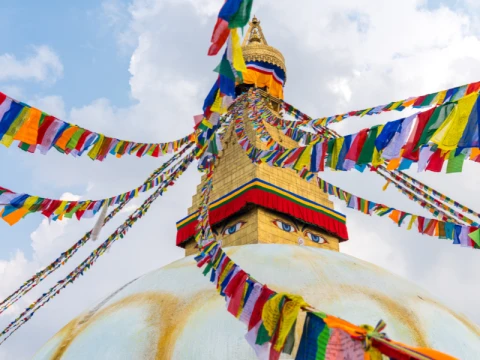
Next, the journey leads to Lumbini, the birthplace of Lord Buddha, offering a spiritual retreat amidst monasteries and sacred gardens. Finally, the tour concludes in Chitwan National Park, where visitors can experience thrilling jungle safaris, spot wildlife like rhinos and tigers, and enjoy a peaceful stay in lush surroundings. This tour provides a balanced experience combining history, culture, spirituality, and adventure.Kathmandu Durbar Square, Swayambhunath, and PashupatinathSarangkot sunrise and Phewa Lake in PokharaLumbini Sacred Garden and Maya Devi TempleJungle safari, canoeing, and elephant ride in ChitwanBest Season for Kathmandu Pokhara Lumbini Chitwan TourThe ideal time to embark on this tour is during the spring (March to May) and autumn (September to November) seasons. During these months, the weather is mild, skies are clear, and the visibility of the Himalayan peaks is spectacular. Spring brings blooming flowers and vibrant landscapes, while autumn offers crisp air and festive cultural experiences in Kathmandu.The summer monsoon (June to August) brings heavy rains that can disrupt road travel and limit sightseeing opportunities. Winter (December to February) can be cold, particularly in the hill regions, but it remains manageable for travelers who prefer fewer crowds.Tips for Travelers:Carry light woolens for early mornings and eveningsSunscreen and hats are recommended for sunny Pokhara daysComfortable walking shoes for heritage and nature toursKathmandu Pokhara Lumbini Chitwan Tour Difficulty and TransportationThis tour is moderately easy and suitable for travelers of most age groups. It involves minimal physical strain since most sightseeing is by vehicle with short walks at tourist sites. The itinerary is designed to balance travel time and exploration, ensuring comfort throughout.Transportation includes private air-conditioned vehicles for road journeys and optional domestic flights if preferred. Travel between Kathmandu and Pokhara is approximately 6–7 hours by car, Lumbini 5 hours, and Chitwan 5 hours from Lumbini or Kathmandu. This allows travelers to enjoy scenic landscapes without the stress of long journeys.Transportation Features:Private vehicle with professional driverComfortable seating for long drivesSafety and convenience prioritizedFood and Accommodation for Kathmandu Pokhara Lumbini Chitwan TourMission Nepal Holidays provides comfortable accommodations in carefully selected hotels and resorts, ensuring a relaxing stay in each city. In Kathmandu, travelers stay near the city center for easy access to cultural sites. Pokhara accommodations offer serene lake views, while Lumbini and Chitwan resorts provide peaceful environments close to key attractions.Food options include a mix of Nepali, Indian, and international cuisines, catering to varied tastes. Travelers can enjoy traditional Thali meals, local momos, and fresh Himalayan produce. Vegetarian and special dietary requirements are easily accommodated.Accommodation Highlights:Standard to deluxe hotels with modern amenitiesEco-friendly resorts in ChitwanDelicious local and international cuisineKathmandu Pokhara Lumbini Chitwan Tour PermitsNo special trekking permits are required for this cultural and wildlife tour. However, Chitwan National Park entry permits are mandatory for jungle safaris and wildlife activities. Mission Nepal Holidays handles all permits and necessary documentation, ensuring a hassle-free experience for travelers.Permit Details:Chitwan National Park entry permit includedSafari and guided nature walk permits arrangedAssistance with any additional documentationWhy Choose Kathmandu Pokhara Lumbini Chitwan Tour with Mission Nepal HolidaysChoosing Mission Nepal Holidays ensures a seamless travel experience combining comfort, safety, and local expertise. Their professional guides offer in-depth cultural, historical, and wildlife knowledge, enhancing the travel experience. The itinerary balances sightseeing, relaxation, and adventure, making it suitable for families, couples, and solo travelers alike.With a focus on responsible tourism, Mission Nepal Holidays prioritizes eco-friendly accommodations and supports local communities. Their team handles transportation, permits, and logistics, allowing travelers to fully enjoy Nepal’s rich heritage, serene landscapes, and wildlife adventures without worry.Reasons to Choose This Tour:Expert local guides with cultural and historical knowledgeComfortable vehicles and accommodationsHassle-free planning and permit managementBalanced itinerary with culture, nature, and adventure

The Kathmandu Pokhara Tour by Mission Nepal Holidays is a perfect blend of cultural exploration, natural beauty, and adventurous experiences. This 7-day journey starts in Kathmandu, the capital city of Nepal, known for its rich cultural heritage, ancient temples, and bustling markets. Travelers will have the opportunity to explore iconic landmarks like Swayambhunath Stupa (Monkey Temple), Pashupatinath Temple, Boudhanath Stupa, and the historic Durbar Squares. These sites offer a glimpse into Nepal’s religious diversity, intricate architecture, and centuries-old traditions.The tour continues with a scenic drive to Pokhara, a city famous for its serene lakes, panoramic mountain views, and adventure activities. Pokhara is the gateway to the Annapurna region and offers attractions like Fewa Lake, Devi’s Fall, Gupteshwor Cave, and the World Peace Pagoda. The combination of city exploration and natural landscapes makes this tour ideal for both cultural enthusiasts and nature lovers.Kathmandu heritage sites and templesScenic drive from Kathmandu to PokharaPeaceful lakes and waterfalls in PokharaMorning hike to Shanti Stupa for panoramic viewsBest Season for Kathmandu Pokhara TourThe ideal time to visit Kathmandu and Pokhara is during the spring (March to May) and autumn (September to November) seasons. During these months, the weather is pleasant with clear skies, making it perfect for sightseeing, photography, and short hikes. Spring brings blooming flowers and lush greenery, while autumn offers crisp air and spectacular views of the Himalayan range.Winter (December to February) can be chilly, especially in Pokhara, but it is less crowded and provides a peaceful travel experience. Monsoon season (June to August) brings heavy rainfall, which can make trekking and road travel challenging, but it also transforms the landscape into vibrant greenery and spectacular waterfalls.Best season summary:Spring: Warm, blooming nature, clear mountain viewsAutumn: Cool, dry, best for photographyWinter: Less crowded, chilly but scenicMonsoon: Lush greenery, some travel limitationsKathmandu Pokhara Tour Difficulty and TransportationThis tour is suitable for travelers of all age groups, as it involves moderate sightseeing and short hikes rather than strenuous trekking. Most activities include guided city tours, scenic drives, and a 3-hour hike to the Peace Stupa. The itinerary is designed to balance exploration with relaxation, making it comfortable for families, solo travelers, and small groups.Transportation during the tour is well-organized by Mission Nepal Holidays. Transfers include private vehicles for road journeys, ensuring comfort and safety. The Kathmandu to Pokhara drive takes approximately 6 hours, passing through picturesque landscapes of rivers, hills, and terraced fields. Internal transportation in the cities is typically by car or taxi, allowing tourists to move conveniently between landmarks.Key points:Moderate difficulty, suitable for all travelersPrivate vehicle transfers includedScenic drives with rest stopsGuided city tours and short hikesFood and Accommodation for Kathmandu Pokhara TourDuring the tour, travelers enjoy a mix of Nepali, continental, and Indian cuisines at local restaurants and hotels. Kathmandu offers a range of food options, from traditional dal-bhat to international dishes, while Pokhara is known for its lakeside cafes serving fresh seafood, pancakes, and coffee. Mission Nepal Holidays ensures that meals are hygienic and cater to different dietary preferences.Accommodation is provided in 3-star or 4-star hotels, offering modern amenities, comfortable rooms, and stunning views. In Kathmandu, hotels are located near major landmarks for easy sightseeing, while in Pokhara, lakeside hotels provide a peaceful and scenic environment. The combination of comfort, cleanliness, and accessibility ensures a relaxing stay throughout the journey.Highlights:Nepali and international cuisinesHygienic and comfortable meals3-4 star hotels with modern amenitiesConvenient locations for sightseeingWhy Choose Kathmandu Pokhara Tour with Mission Nepal HolidaysChoosing Mission Nepal Holidays for your Kathmandu-Pokhara tour guarantees a well-planned and stress-free experience. With years of expertise in Nepal travel, the company provides professional guides, comfortable transportation, and personalized attention. The tour offers a seamless combination of culture, adventure, and natural beauty, ensuring that every traveler enjoys a memorable journey.Mission Nepal Holidays focuses on safety, comfort, and authenticity. Travelers not only see the famous landmarks but also get to experience the local lifestyle and traditions. The company also provides flexible itineraries, allowing guests to customize their tours according to their interests and pace.Reasons to choose:Expert local guides and driversSafe and comfortable travel arrangementsCustomized itinerary optionsAuthentic cultural and natural experiences

After discovering Kathmandu, your journey continues to Chitwan National Park, a UNESCO World Heritage site famous for its exotic wildlife and lush landscapes. With Mission Nepal Holidays, you can enjoy safe and comfortable elephant rides, jungle jeep safaris, canoeing on the Rapti River, and guided nature walks. Spot the rare Bengal tiger, one-horned rhinoceros, and sloth bears in their natural habitat while experiencing the thrill of Nepalese wilderness.This tour also highlights local culture through visits to Tharu villages, where you can learn about traditional lifestyles, crafts, and enjoy lively cultural dance performances. Ideal for families, solo travelers, and groups, the tour combines adventure, nature, and heritage for an unforgettable Nepalese experience.Organized by Mission Nepal Holidays, this tour ensures comfortable accommodations, knowledgeable guides, and hassle-free travel, making it a seamless journey from start to finish. Whether exploring Kathmandu’s historic temples or spotting wildlife in Chitwan, this tour promises an unforgettable adventure that showcases the perfect harmony of culture, history, and wildlife in Nepal.Book your Kathmandu Chitwan tour with Mission Nepal Holidays today and create memories that will last a lifetime.Best Season for Kathmandu Chitwan TourThe best time to experience the Kathmandu Chitwan Tour is during the spring (March to May) and autumn (September to November) seasons. During these months, the weather is pleasant, with clear skies and moderate temperatures, making sightseeing in Kathmandu comfortable and wildlife spotting in Chitwan more productive.Summer months (June to August) can be hot and humid, while winter (December to February) brings chilly mornings and evenings but remains suitable for travelers who enjoy a quieter experience. Spring also allows travelers to witness colorful festivals in Kathmandu, whereas autumn offers breathtaking Himalayan views and lush greenery in Chitwan.Tips:Carry light cotton clothing for daytime and a warm jacket for eveningsComfortable walking shoes for city tours and jungle walksCamera and binoculars for wildlife photographyKathmandu Chitwan Tour Difficulty and TransportationThis tour is suitable for all levels of travelers, including families and senior tourists. It involves moderate physical activity, such as short hikes, jungle walks, and some walking during heritage tours. There are no extreme trekking requirements, making it accessible to most travelers.Transportation is provided by comfortable private vehicles for transfers between Kathmandu and Chitwan. Well-maintained roads ensure smooth travel, with stops en route for refreshments and scenic photography. Internal travel is also managed by Mission Nepal Holidays’ experienced drivers, ensuring safety and convenience throughout the journey.Points to Note:Drive from Kathmandu to Chitwan: ~5 hoursInternal transfers by private vehiclesOption for guided tours in both cities and national parkFood and Accommodation for Kathmandu Chitwan TourMission Nepal Holidays ensures a comfortable stay with well-selected hotels and resorts in both Kathmandu and Chitwan. In Kathmandu, visitors enjoy cozy hotels close to heritage sites, offering modern amenities and Nepali hospitality. In Chitwan, jungle lodges and resorts provide a unique experience with nature-inspired accommodation, blending comfort with adventure.Food is a delightful mix of Nepali, Indian, and international cuisine. Tour packages typically include breakfast at the hotel and can be customized for lunch and dinner at recommended local restaurants or the resorts. Special dietary requirements are also accommodated on request.Highlights:Comfortable hotels and jungle lodgesLocal and international cuisinePersonalized service and guided meal recommendationsWhy Choose Kathmandu Chitwan Tour with Mission Nepal HolidaysChoosing Mission Nepal Holidays ensures a stress-free and enriching experience. The company offers professional guides, private transportation, and a carefully curated itinerary combining culture, history, and wildlife. Their expertise in local travel logistics ensures smooth transfers, comfortable accommodation, and authentic cultural experiences.This tour is ideal for travelers who want to explore Nepal’s heritage while experiencing the thrill of wildlife adventure without the hassle of planning. With attention to detail and personalized service, Mission Nepal Holidays makes every trip memorable, safe, and culturally immersive.Benefits:Expert local guides and tour coordinatorsHassle-free transportation and accommodationBlend of culture, adventure, and nature in one package

The Kathmandu Sightseeing Tour, organized by Mission Nepal Holidays, offers a comprehensive exploration of Nepal’s vibrant capital and its rich cultural heritage. The tour is designed for travelers who want to immerse themselves in history, spirituality, and local traditions, all in a single day of guided exploration. The journey begins with Swayambhunath Stupa (Monkey Temple), perched atop a hill offering panoramic views of Kathmandu Valley. Visitors can climb the staircase lined with colorful prayer flags while observing playful monkeys, local devotees spinning prayer wheels, and the intricate Buddhist architecture that dates back centuries. The golden spire and smaller shrines offer a glimpse into Nepal’s spiritual life, making it an ideal starting point for the day.Next, the tour proceeds to Kathmandu Durbar Square, a UNESCO World Heritage Site and the historical center of the city. This square features Malla-era architecture, including the Hanuman Dhoka Palace and Taleju Temple, where visitors can wander through narrow lanes filled with traditional shops, street vendors, and cultural landmarks. The day continues at Pashupatinath Temple, a sacred Hindu site along the Bagmati River, where witnessing religious rituals, cremation ceremonies, and ornate pagoda-style architecture provides an unforgettable cultural experience. The tour also includes Boudhanath Stupa, a hub of Tibetan Buddhism, and concludes at Basantapur Durbar Square, home to the Living Goddess Kumari and bustling local markets.Swayambhunath Stupa panoramic views and Buddhist ritualsKathmandu Durbar Square historical explorationPashupatinath Temple spiritual experienceBoudhanath Stupa Tibetan Buddhist cultureBasantapur Durbar Square and Kumari observationBest Season for Kathmandu Sightseeing TourKathmandu is a year-round destination, but the best time for sightseeing is during the spring (March–May) and autumn (September–November) seasons. During these months, the weather is mild, skies are clear, and the panoramic views of the surrounding Himalayan peaks are most visible. Spring brings blooming rhododendrons, fresh greenery, and pleasant temperatures, making hilltop visits such as Swayambhunath and Chandragiri truly spectacular. Autumn offers cool, dry weather and vibrant cultural festivals, ensuring a colorful and lively experience.Winter (December–February) is colder, especially in the mornings and evenings, but the air is crisp, and skies remain clear. Monsoon season (June–August) can bring heavy rainfall, which may limit sightseeing opportunities and make some areas slippery, particularly on hillsides like Swayambhunath. However, Mission Nepal Holidays ensures that travel plans are flexible and comfortable, providing indoor alternatives and guided insights into Kathmandu’s history and culture during rainy days.Best Seasons at a Glance:Spring (Mar–May): Blooming flowers, pleasant weatherAutumn (Sep–Nov): Clear skies, vibrant festivalsWinter (Dec–Feb): Crisp air, fewer crowdsMonsoon (Jun–Aug): Rainy, limited hill accessKathmandu Sightseeing Tour Difficulty and TransportationThe Kathmandu Sightseeing Tour is designed to be moderate in difficulty, making it suitable for travelers of all ages, including families and seniors. Walking is required at many sites, such as climbing the steps at Swayambhunath and navigating the alleys of Durbar Square. Comfortable footwear and a moderate level of fitness are recommended. The tour pace is leisurely, with ample time for photography, shopping, and cultural interactions.Transportation is arranged entirely by Mission Nepal Holidays, using private vehicles with experienced drivers and knowledgeable guides. Transfers between sites are safe, efficient, and stress-free, allowing travelers to focus on exploring rather than navigating city traffic. For longer sightseeing days, air-conditioned vehicles ensure comfort, while guides provide detailed explanations of the sites, enriching the experience with historical anecdotes, spiritual insights, and local stories.Tour Difficulty & Transportation Summary:Moderate walking; accessible for most travelersPrivate air-conditioned vehiclesExperienced guides for cultural insightsSafe and efficient transfers between sitesFood and Accommodation for Kathmandu Sightseeing TourMission Nepal Holidays provides convenient arrangements for both meals and accommodation during the sightseeing tour. Travelers can enjoy authentic Nepali cuisine, including traditional dishes like dal bhat, momo (dumplings), and seasonal local snacks. Many meals are arranged at hygienic, popular local restaurants that offer both vegetarian and non-vegetarian options, catering to diverse dietary preferences. Street food tasting can also be included for travelers seeking local flavors.Accommodation options are flexible, ranging from luxury hotels in central Kathmandu to cozy boutique hotels, ensuring comfort and accessibility to the main sightseeing points. All accommodations recommended by Mission Nepal Holidays are safe, well-maintained, and offer modern amenities, making it easy to rest between sightseeing sessions. Evening leisure time allows travelers to explore local markets, enjoy rooftop views of the city, or simply relax in their hotel.Food & Accommodation Highlights:Authentic Nepali cuisine at safe, popular restaurantsVegetarian and non-vegetarian options availableLuxury hotels or boutique stays in central KathmanduComfortable resting options between sightseeingWhy Choose Kathmandu Sightseeing TourChoosing the Kathmandu Sightseeing Tour with Mission Nepal Holidays ensures a comprehensive, stress-free, and culturally immersive experience. The itinerary covers Kathmandu’s top cultural, spiritual, and historical sites, all in a single day with expert guidance. Travelers benefit from the local knowledge of professional guides, who provide context, historical narratives, and cultural insights that go beyond simple sightseeing.Mission Nepal Holidays prioritizes safety, comfort, and personalized experiences. Their experienced drivers and guides manage transportation, tickets, and local arrangements, allowing travelers to focus entirely on exploring. The tour also balances structured sightseeing with leisure time for shopping, photography, or spontaneous exploration. With a combination of spiritual immersion, historical discovery, and local interaction, this tour offers a memorable journey that captures the essence of Kathmandu’s rich heritage.Reasons to Choose This Tour:Comprehensive itinerary covering major sitesExpert guides providing historical and cultural insightsComfortable, safe, and stress-free transportationAuthentic food and accommodation optionsFlexible schedule with leisure opportunities

The Everest Base Camp via Gokyo Lakes and Cho La Pass Trek is one of the most spectacular and rewarding trekking adventures in Nepal, designed for travelers seeking both classic Himalayan highlights and quieter, off-the-beaten-path experiences. This 18-day journey offered by Mission Nepal Holidays combines breathtaking mountain scenery, rich Sherpa culture, high-altitude adventure, and iconic viewpoints in the heart of the Everest region.The trek begins with your arrival in Kathmandu, where you explore UNESCO World Heritage Sites and prepare for the adventure ahead. A thrilling scenic flight to Lukla marks the start of the trek, leading you through traditional Sherpa villages, suspension bridges, and lush forests along the Dudh Koshi River. As you ascend toward Namche Bazaar, the vibrant trading hub of the Khumbu region, you are rewarded with your first views of Mount Everest and surrounding peaks.Leaving the busy Everest trail behind, the route diverts toward the serene Gokyo Valley, home to stunning turquoise glacial lakes set beneath towering Himalayan giants. An acclimatization day in Gokyo allows for an optional ascent of Gokyo Ri, one of the finest viewpoints in the region, offering panoramic vistas of Everest, Lhotse, Makalu, Cho Oyu, and countless other peaks. The adventure continues across the dramatic Ngozumpa Glacier, leading to the challenging yet exhilarating crossing of the Cho La Pass (5,420m).After rejoining the classic Everest Base Camp route, the trek continues through Lobuche and Gorak Shep to the legendary Everest Base Camp (5,364m). Standing at the foot of the world’s highest mountain is a once-in-a-lifetime experience. An early morning hike to Kala Patthar (5,545m) provides unforgettable sunrise views of Mount Everest and the surrounding Himalayan range.Throughout the trek, you stay in traditional teahouses, enjoy warm hospitality, and experience authentic Sherpa culture, cuisine, and lifestyle. Carefully planned acclimatization days, experienced guides, and excellent logistical support ensure a safe and enjoyable journey.The Everest Base Camp via Gokyo Lakes and Cho La Pass Trek is the ultimate Himalayan adventure, perfectly suited for trekkers seeking outstanding natural beauty, cultural richness, and the thrill of high-altitude exploration with Mission Nepal Holidays.

Feel free to inquire, and together, we'll design the perfect journey to suit your preferences and desires.
Plan Your Trip


