
Kailash Mansarovar Yatra 2026 Booking Open – Join the Sacred Pilgrimage with Mission Nepal Holidays
18 Jun 2025

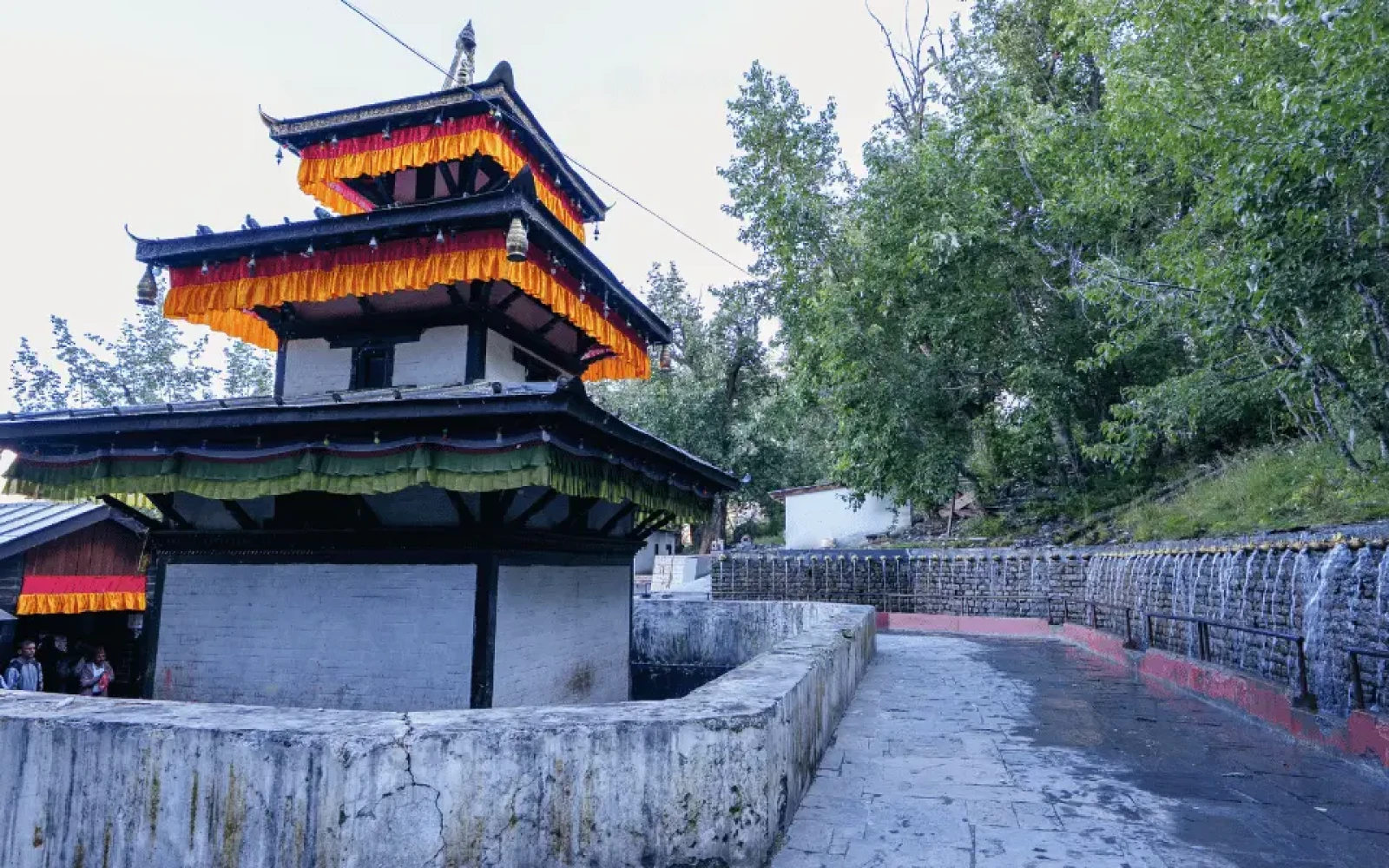
Muktinath Dham is one of the most sacred pilgrimage destinations in Nepal. Located in the beautiful Mustang district, this holy temple is visited by thousands of Hindu and Buddhist devotees every year. For Hindus, Muktinath is known as Mukti Kshetra, meaning the place of liberation or salvation. For Buddhists, it is an important spiritual site connected with Guru Rinpoche, also known as Padmasambhava.
Situated in the trans-Himalayan region of Nepal, Muktinath Temple offers a rare combination of religious importance, Himalayan scenery, ancient culture and adventurous travel. The temple is located at around 3,710 to 3,800 meters above sea level near Ranipauwa village in Mustang.
A journey to Muktinath Dham is not only a religious tour. It is also a beautiful Himalayan experience. The route passes through Pokhara, Beni, Tatopani, Marpha, Jomsom, Kagbeni and Ranipauwa before reaching the temple. Along the way, travelers enjoy river valleys, waterfalls, apple villages, Buddhist monasteries, dry Mustang landscapes and views of Annapurna, Dhaulagiri, Nilgiri and other Himalayan peaks.
For pilgrims from Nepal, India and around the world, Muktinath Dham is a once-in-a-lifetime spiritual journey.
Muktinath Dham is located in Mustang district, Gandaki Province, Nepal. The temple lies near Ranipauwa village, above the Kali Gandaki Valley and close to the famous Jomsom-Kagbeni route.
The standard travel route to Muktinath is:
Kathmandu → Pokhara → Beni → Tatopani → Ghasa → Marpha → Jomsom → Kagbeni → Ranipauwa → Muktinath Temple
Most travelers first reach Pokhara, then continue toward Jomsom and Muktinath either by road or by flight. Muktinath is also part of the Annapurna region, and many trekkers visiting the Annapurna Circuit pass through this sacred area.
The temple’s location makes the journey spiritually meaningful and naturally beautiful. The landscape changes from green hills and river valleys to dry cliffs, stone villages and high Himalayan desert scenery.
Muktinath Dham is famous for its deep religious significance, peaceful Himalayan setting and unique natural features. The name “Muktinath” comes from two Sanskrit words: Mukti, meaning salvation or liberation, and Nath, meaning Lord. Therefore, Muktinath means “Lord of Salvation.”
The temple is mainly dedicated to Lord Vishnu. Hindu devotees believe that visiting Muktinath, bathing under the holy water spouts and offering prayers can help wash away sins and bring spiritual peace.
Muktinath is also sacred for Buddhists. The temple area has monasteries, prayer wheels, chortens and Buddhist religious symbols. This makes Muktinath one of the best examples of religious harmony in Nepal, where Hindus and Buddhists worship in the same sacred landscape.
Muktinath is especially known for:
The main temple is a small but highly sacred pagoda-style shrine dedicated to Lord Vishnu. Devotees offer prayers, flowers, tika, incense and other religious items. Although the temple is simple in structure, its spiritual value is extremely high.
One of the most famous parts of Muktinath Dham is the 108 water spouts, known as Muktidhara. Pilgrims take a holy bath under these icy-cold water spouts. The number 108 is considered sacred in both Hinduism and Buddhism.
Many devotees believe that bathing under the 108 water spouts purifies the body and soul.
There are two holy ponds near the temple called Mukti Kunda. Pilgrims often dip in these ponds before visiting the main temple. The water is very cold because of the high altitude, but devotees perform the ritual with strong faith.
Jwala Mai Temple is another important attraction near Muktinath. It is known for its natural eternal flame, which burns near water. This rare combination of fire, water and earth in the same place makes the temple spiritually powerful and mysterious.
The Muktinath area also has Buddhist monasteries and prayer wheels. Visitors can observe Tibetan Buddhist culture, local traditions and peaceful mountain spirituality.
There are several ways to reach Muktinath Dham. Travelers can go by road, by flight and jeep, by trekking or by helicopter. The best option depends on your time, budget, health condition, travel season and comfort level.
Most Muktinath tours start from either Kathmandu or Pokhara.
The Kathmandu to Muktinath road journey is one of the most popular options for pilgrims and groups. It is scenic, adventurous and suitable for travelers who want to enjoy the full mountain route.
The road route is:
Kathmandu → Pokhara → Beni → Tatopani → Ghasa → Marpha → Jomsom → Kagbeni → Muktinath
Kathmandu to Pokhara usually takes around 6 to 8 hours by road, depending on traffic and road conditions. From Pokhara, the journey continues toward Beni and then follows the Kali Gandaki Valley toward Jomsom and Muktinath.
The Pokhara to Muktinath section passes through beautiful villages and landscapes such as Tatopani, Ghasa, Marpha, Jomsom and Kagbeni. This route is ideal for travelers who want to experience the changing geography of Nepal, from green valleys to the dry landscapes of Mustang.
This route is best for:
However, the road can be rough, dusty, muddy or affected by landslides depending on the season. A private jeep is highly recommended for comfort and safety.
The faster and more comfortable route is to travel by flight and jeep.
The route is:
Kathmandu → Pokhara by flight → Jomsom by flight → Muktinath by jeep
First, travelers fly from Kathmandu to Pokhara. Then they take a morning flight from Pokhara to Jomsom. From Jomsom, a local jeep takes travelers toward Ranipauwa near Muktinath Temple.
This option is best for:
Important note: Jomsom flights are highly weather-dependent. Flights usually operate in the morning because wind conditions become stronger later in the day. It is always better to keep one extra day in your itinerary in case of flight delay or cancellation.
Pokhara is the main gateway to Muktinath. Many travelers start their Muktinath Yatra directly from Pokhara.
The route is:
Pokhara → Beni → Tatopani → Ghasa → Marpha → Jomsom → Kagbeni → Ranipauwa → Muktinath
Travelers can choose private jeep, shared jeep or bus. A private jeep is more comfortable and flexible, especially for families, elderly pilgrims and groups. It allows you to stop for meals, photography, tea breaks and short sightseeing.
The Pokhara to Muktinath route is popular because it includes many beautiful places such as Beni, Tatopani, Marpha, Jomsom, Kagbeni, Jharkot and Ranipauwa.
A Pokhara to Muktinath jeep tour usually takes 2 to 4 days, depending on the itinerary.
Another popular option is to fly from Pokhara to Jomsom and then take a jeep to Muktinath.
The route is:
Pokhara → Jomsom by flight → Muktinath by jeep
This is one of the shortest ways to visit Muktinath. It is suitable for travelers who want to save time. After reaching Jomsom airport, travelers take a jeep toward Muktinath. The road passes through Kagbeni and the dry mountain landscape of Lower Mustang.
This option is good for travelers who are short on time, but it depends on weather and flight availability.
Jomsom is the nearest major town and airport for Muktinath travelers. From Jomsom, travelers continue to Muktinath by jeep, local bus, motorbike or trek.
The common route is:
Jomsom → Kagbeni → Jharkot → Ranipauwa → Muktinath
The final stop by vehicle is usually near Ranipauwa. From there, pilgrims walk uphill to the temple. Horses may also be available for people who cannot walk comfortably.
The road from Jomsom to Muktinath offers beautiful views of Mustang’s dry valleys, cliffs, rivers and mountain peaks.
For travelers who want the fastest and most comfortable option, a helicopter tour to Muktinath can be arranged from Kathmandu or Pokhara. A helicopter tour is suitable for senior citizens, VIP travelers, short-time visitors and pilgrims who want to complete the journey in a single day.
However, helicopter tours are more expensive and depend on weather conditions. Landing time at high altitude may also be limited.
Many Indian pilgrims visit Muktinath every year. The most common entry routes from India are via Gorakhpur-Sunauli, Raxaul-Birgunj and other Nepal-India border points. From the border, travelers usually continue to Pokhara and then toward Muktinath.
Common route from India:
Gorakhpur → Sunauli Border → Lumbini/Bhairahawa → Pokhara → Jomsom → Muktinath
Another possible route:
Raxaul → Birgunj → Chitwan/Kathmandu → Pokhara → Muktinath
For Indian pilgrims, a travel company can help arrange vehicles, hotels, permits, vegetarian meals and route planning. This makes the journey easier, especially for families, senior citizens and group travelers.
The best time to visit Muktinath Dham is during spring and autumn.
Spring is one of the best seasons for Muktinath Yatra. The weather is usually pleasant, mountain views are beautiful and road travel is generally easier than in monsoon or winter.
Autumn is considered one of the best times to visit Muktinath. The sky is usually clearer after the monsoon, and the mountain views are excellent. This is also a popular time for pilgrimage tours and trekking in the Annapurna region.
Winter is very cold in Muktinath. Snowfall can affect the route, and temperatures may drop below freezing. However, the region is peaceful and less crowded. Travelers must carry warm clothing and check road conditions before departure.
Monsoon is not the best season for Muktinath by road because the lower road sections may face rain, landslides and muddy conditions. Mustang itself lies in a rain-shadow region, but the access roads from Pokhara and Beni can still be affected.
Drive from Kathmandu to Pokhara. Enjoy rivers, hills, villages and highway views. Overnight stay in Pokhara.
Drive from Pokhara to Jomsom or Kagbeni via Beni, Tatopani, Ghasa and Marpha. Overnight stay in Jomsom or Kagbeni.
Early morning drive to Muktinath Temple. Take a holy bath under the 108 water spouts if desired, visit the main temple, Jwala Mai and nearby monasteries. Return to Marpha or Tatopani for overnight stay.
Drive back to Pokhara. Evening free around Lakeside or Phewa Lake.
Drive or fly back to Kathmandu.
Drive from Pokhara to Jomsom or Kagbeni via Beni, Tatopani, Ghasa and Marpha.
Drive to Muktinath for darshan. Visit the temple, 108 water spouts, Mukti Kunda, Jwala Mai and monasteries. Return to Tatopani.
Enjoy the hot spring if time allows, then drive back to Pokhara.
Visit Pokhara attractions or continue your onward journey.
Take an early morning flight from Pokhara to Jomsom. Drive to Muktinath Temple for darshan. Overnight in Jomsom.
Fly back to Pokhara in the morning.
This short itinerary depends fully on weather and flight operation.
Pokhara is one of Nepal’s most beautiful cities and the main gateway to Muktinath. Popular places include Phewa Lake, Tal Barahi Temple, Davis Falls, Gupteshwor Cave, Bindhyabasini Temple, World Peace Pagoda and Lakeside.
Tatopani is famous for its natural hot spring. Many travelers stop here to relax during the road journey.
Marpha is a beautiful Thakali village famous for apples, apple products, stone-paved streets, whitewashed houses and peaceful mountain culture.
Jomsom is the main town of Mustang and the nearest airport for Muktinath travelers. It is surrounded by dry landscapes and Himalayan views.
Kagbeni is an ancient village near the gateway to Upper Mustang. It is famous for old houses, monasteries, prayer flags and dramatic desert-like scenery.
Jharkot is a traditional village near Muktinath. It offers old monasteries, local culture and beautiful views.
Muktinath lies in the Annapurna Conservation Area. Most travelers need an Annapurna Conservation Area Permit, commonly known as ACAP. If your trip includes trekking or additional restricted areas such as Upper Mustang, extra permits may be required.
Permit rules can change, so it is best to confirm current requirements before travel. A local travel company can help arrange the required permits.
Hotels, lodges and guesthouses are available in Pokhara, Tatopani, Marpha, Jomsom, Kagbeni and Ranipauwa. Accommodation in Mustang is usually simple but comfortable.
Food options generally include:
For Indian pilgrims, vegetarian food can usually be arranged with advance notice.
Yes, senior citizens can visit Muktinath with proper planning. The best option for elderly pilgrims is usually a flight from Pokhara to Jomsom and then jeep to Muktinath, or a private jeep tour with comfortable overnight stops.
Senior citizens should avoid rushing because Muktinath is located at high altitude. People with heart problems, breathing issues, high blood pressure or serious medical conditions should consult a doctor before the trip.
The final section from Ranipauwa to the temple requires a short uphill walk. Horses may be available locally for those who need assistance.
Planning a Muktinath Dham Yatra requires good route knowledge, reliable transport, hotel booking, permit support and local coordination. Mission Nepal Holidays can help make your journey safe, comfortable and memorable.
We arrange customized Muktinath tour packages for families, senior citizens, Indian pilgrims, Nepali pilgrims, NRN travelers and international tourists.
Our Muktinath tour services can include:
Whether you want a short Muktinath tour by flight, a comfortable jeep tour from Pokhara or a complete Kathmandu-Pokhara-Muktinath pilgrimage package, Mission Nepal Holidays can organize the trip according to your travel date, budget and comfort.
Muktinath Dham is more than a travel destination. It is a journey of faith, peace, nature and Himalayan beauty. From the holy 108 water spouts to the eternal flame of Jwala Mai, from Pokhara’s lakeside charm to the ancient villages of Mustang, every part of the Muktinath Yatra is meaningful.
Whether you travel by road, flight, jeep, helicopter or trekking route, the journey to Muktinath gives you a special experience of Nepal’s spiritual and natural richness.
Plan your Muktinath Dham tour with Mission Nepal Holidays for a safe, comfortable and well-organized pilgrimage experience.
Contact Mission Nepal Holidays today to book your Muktinath Tour Package from Kathmandu, Pokhara or India.
Explore the History of Kailash and the Mythology of Kailash in this detailed guide to Kailash Mansarovar Yatra, uncovering ancient beliefs, legends, a...


