Dongga, Tibet is one of the lesser-known cultural treasures of western Tibet. Located in Zanda County, Ngari Prefecture, Dongga is famous for its ancient cave ruins, Buddhist murals, dramatic landscapes, and connection with the historic Guge Kingdom.
Unlike the busy pilgrimage routes of Lhasa, Shigatse, Mount Kailash, or Lake Mansarovar, Dongga offers a peaceful and meaningful experience for travelers who love history, culture, photography, and remote Himalayan landscapes. The area is best known for the Dongga-Piyang Cave Site, an important heritage location that reflects the rich Buddhist civilization of ancient western Tibet.
For travelers exploring Ngari, Zanda, Mount Kailash, or the Guge Kingdom ruins, Dongga is a fascinating place to include in the journey.
Where is Dongga Located?
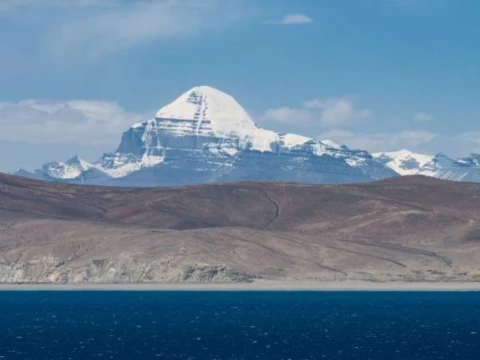
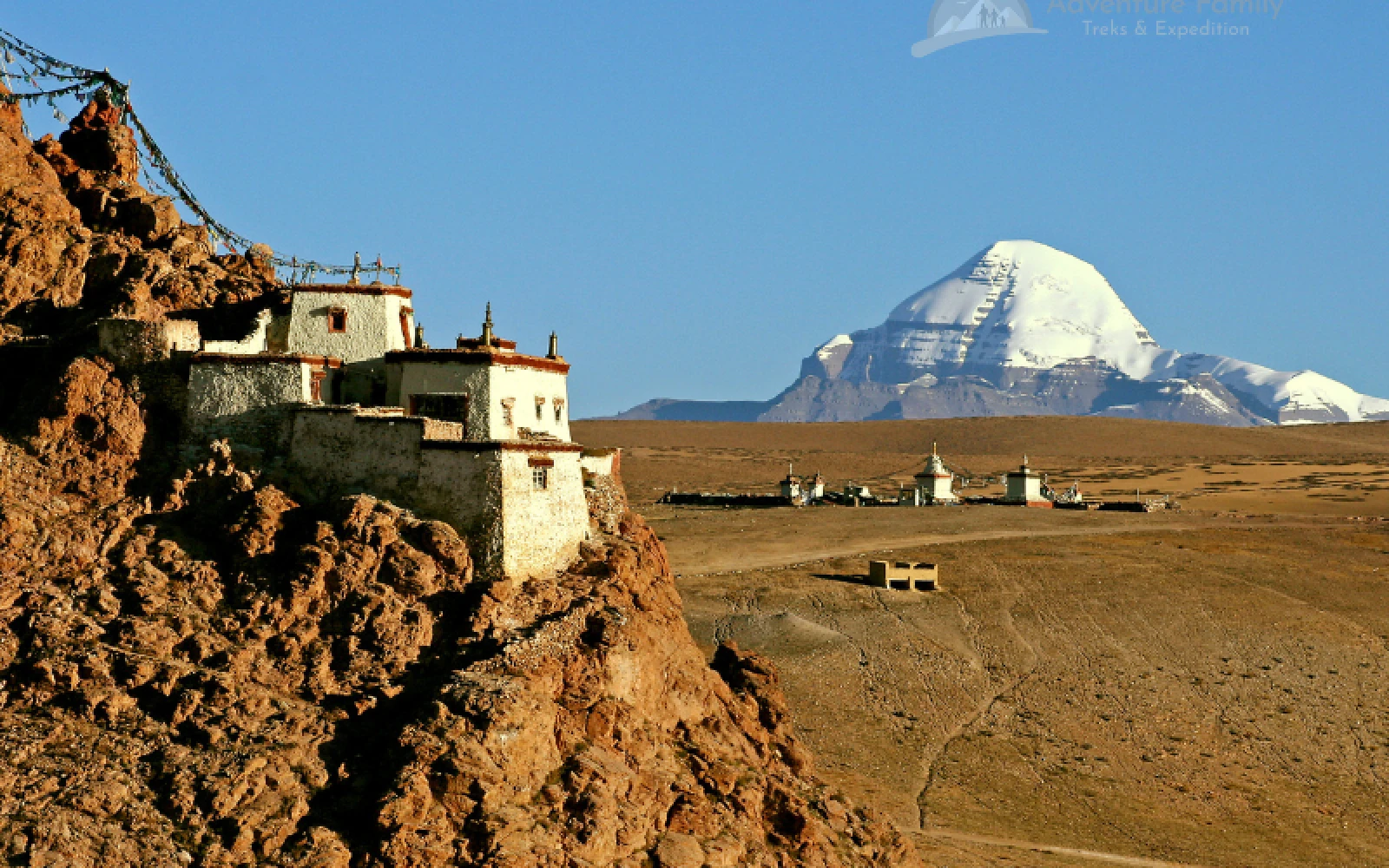
Dongga is located in western Tibet, in Zanda County of Ngari Prefecture. This region is close to several important historical and spiritual places, including Tholing Monastery, Tsaparang, the Guge Kingdom ruins, Mount Kailash, and Lake Mansarovar.
The landscape around Dongga is very different from central Tibet. The area is dry, open, and dramatic, with eroded cliffs, valleys, caves, and high-altitude desert scenery. The natural beauty of this region gives Dongga a mysterious and timeless atmosphere.
Because of its remote location, Dongga is usually visited as part of a longer western Tibet tour or Kailash Mansarovar journey.
Dongga-Piyang Cave Site
The main attraction of Dongga is the Dongga-Piyang Cave Site. This ancient cave complex is spread around Dongga Village and nearby Piyang Village. The caves are carved into cliffs and hillsides, creating a unique view that looks like a honeycomb from a distance.
These caves were once used for meditation, religious practice, residence, and monastic life. Some caves contain ancient Buddhist murals and artistic remains that show the spiritual and cultural importance of the region.
The Dongga-Piyang caves are among the most important cultural sites in western Tibet. They offer a rare glimpse into the ancient Buddhist art and cave civilization of the Ngari region.
Historical Importance of Dongga
Dongga is closely connected with the history of the Guge Kingdom, one of the most important ancient kingdoms of western Tibet. The Guge Kingdom played a major role in the development and spread of Buddhism in this region.
The art and ruins found around Dongga show influences from Tibetan, Indian, Nepali, and Central Asian Buddhist traditions. This makes Dongga an important destination for travelers who want to understand the cultural connections between Tibet and the wider Himalayan region.
A visit to Dongga is not only sightseeing. It is a journey into the history of religion, art, trade, and civilization in ancient Tibet.
Why Visit Dongga in Tibet?
Dongga is a special destination because it is peaceful, remote, and culturally rich. It is ideal for travelers who want to explore a hidden side of Tibet beyond the regular tourist route.
Travelers visit Dongga to:
- Explore ancient Buddhist cave ruins
- See historic murals and cliffside caves
- Learn about the Guge Kingdom and western Tibetan culture
- Experience the remote landscapes of Ngari
- Enjoy photography in a dramatic high-altitude setting
- Add cultural depth to a Kailash Mansarovar or western Tibet tour
For history lovers and cultural travelers, Dongga is one of the most rewarding places in western Tibet.
What to See in Dongga
During a visit to Dongga, travelers can see ancient cave clusters, rocky cliffs, Buddhist mural sites, meditation caves, and surrounding village landscapes. The area is quiet and less crowded, allowing visitors to experience the site in a calm and respectful way.
The cliffs, caves, and open Tibetan sky make Dongga a beautiful place for photography. Sunrise and late afternoon light are especially good for capturing the colors and textures of the landscape.
The atmosphere of Dongga is simple, spiritual, and powerful. It is a place where nature and history come together.
Dongga and Piyang Villages
Dongga is often mentioned together with Piyang because the two villages are located close to each other and share the same ancient cave heritage area. Many visitors explore both Dongga and Piyang during the same trip.
Together, these villages form one of the most impressive cave ruin areas in western Tibet. Visiting both places gives travelers a better understanding of the size, history, and importance of this ancient site.
Best Time to Visit Dongga
The best time to visit Dongga is generally from May to October. During this period, the weather is more suitable for travel, and the roads in western Tibet are usually more accessible.
However, Dongga is located in a high-altitude region, so travelers should be prepared for strong sunlight, cold wind, dry air, and sudden weather changes. Even during warmer months, mornings and evenings can be cold.
Warm clothing, sunscreen, sunglasses, lip balm, and drinking water are important for a comfortable journey.
How to Reach Dongga
Dongga is usually reached by road as part of a western Tibet overland tour. It can be included in itineraries covering Lhasa, Shigatse, Saga, Mount Kailash, Lake Mansarovar, Zanda, Tholing Monastery, and the Guge Kingdom ruins.
Because the region is remote, the journey can be long and facilities may be basic. Travelers should plan carefully and travel with an experienced Tibet tour operator.
Dongga is especially suitable for travelers who are already visiting Zanda or exploring the cultural sites of the Ngari region.
Travel Tips for Visiting Dongga
Before visiting Dongga, travelers should prepare properly for high-altitude and remote travel.
- Carry warm clothes, even in summer.
- Use sunscreen, sunglasses, and lip balm.
- Drink plenty of water.
- Walk slowly because of the high altitude.
- Respect the caves, murals, and religious sites.
- Do not touch ancient paintings or cave walls.
- Follow the instructions of your local guide.
- Carry snacks and drinking water during day trips.
- Be ready for basic facilities in remote areas.
- Ask before taking photos in sensitive religious places.
Dongga is a fragile cultural site, so responsible travel is very important.
Dongga for Photography and Culture Lovers
Dongga is a perfect place for travelers who enjoy photography, history, and culture. The combination of ancient caves, dramatic cliffs, peaceful valleys, and open Tibetan skies creates a unique visual experience.
For culture lovers, Dongga offers a deeper understanding of western Tibet’s ancient Buddhist heritage. It is a destination where silence, art, and history can still be felt.
Unlike more popular tourist places, Dongga remains quiet and less commercial. This makes the visit more personal and meaningful.
Visit Dongga with Mission Nepal Holidays
At Mission Nepal Holidays, we help travelers explore Tibet with careful planning, reliable support, and meaningful cultural experiences. Dongga can be included in selected western Tibet itineraries, especially those covering Mount Kailash, Lake Mansarovar, Zanda, Tholing Monastery, and the Guge Kingdom ruins.
A journey to Dongga is ideal for travelers who want to experience the hidden heritage of Tibet away from crowded routes. It is a destination for those who value ancient culture, sacred art, and remote Himalayan landscapes.
Our team can help you plan a well-organized Tibet journey that combines spiritual sites, cultural landmarks, and breathtaking natural scenery. Dongga, Tibet is one of the hidden cultural gems of western Tibet. Known for the Dongga-Piyang cave ruins, ancient Buddhist murals, dramatic cliffs, and connection with the Guge Kingdom, Dongga offers a rare opportunity to explore Tibet’s deep historical and spiritual heritage.
For travelers visiting Ngari, Zanda, Mount Kailash, or Lake Mansarovar, Dongga is a meaningful addition to the journey. It is not only a place to see, but a place to feel the silence of history and the spiritual depth of ancient Tibet.