
Kailash Mansarovar Yatra 2026 Booking Open – Join the Sacred Pilgrimage with Mission Nepal Holidays
18 Jun 2025

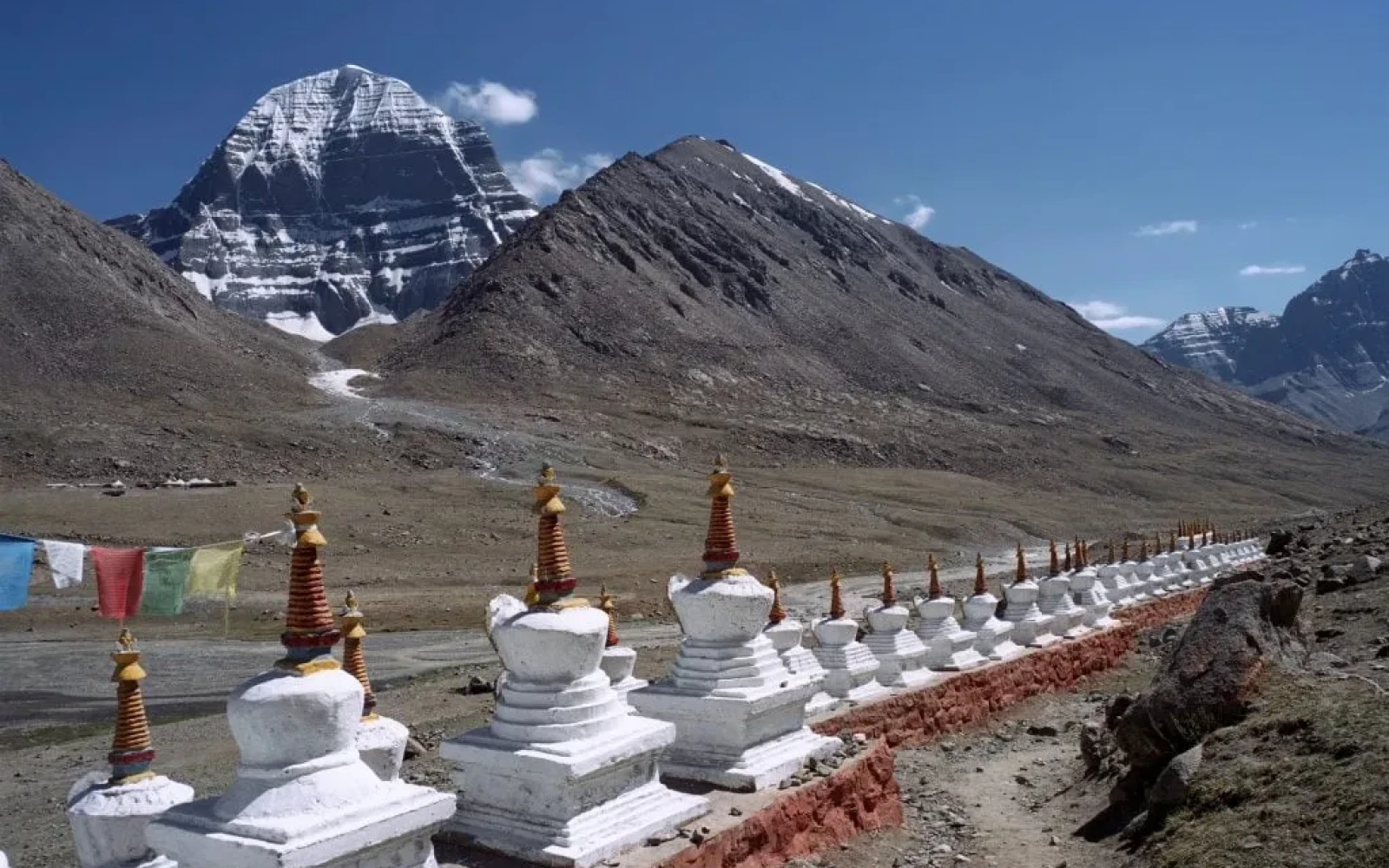
Dirapuk Monastery, also known as Dira Puk, Drirapuk, or Derapuk Monastery, is one of the most sacred and memorable stops on the Mount Kailash Kora. Located on the northern side of Mount Kailash in Tibet, this remote monastery is famous for offering one of the closest and most powerful views of the north face of Mount Kailash.
For pilgrims joining the Kailash Mansarovar Yatra, Dirapuk Monastery is more than an overnight resting place. It is a deeply spiritual destination where faith, silence, mountain beauty, and devotion come together. After a long day of walking through the high-altitude landscape, the first clear view of Mount Kailash from Dirapuk often becomes one of the most emotional moments of the entire journey.

Dirapuk Monastery is located along the traditional Mount Kailash Parikrama route in western Tibet. It lies in the Lha Chu Valley, facing the majestic north face of Mount Kailash. Pilgrims usually reach Dirapuk on the first trekking day of the Kailash Kora from Darchen or Yam Dwar.
The monastery sits at an altitude of around 5,000 meters above sea level, making it one of the highest and most spiritually powerful overnight stops on the Kailash Mansarovar Yatra. Because of its location, Dirapuk is considered one of the best viewpoints of Mount Kailash.
On a clear day, the north face of Mount Kailash appears incredibly close, rising above the valley with a peaceful yet commanding presence.

Dirapuk Monastery is important for both spiritual and practical reasons. Spiritually, it is one of the most meaningful places on the Mount Kailash Kora. Mount Kailash is regarded as one of the holiest mountains in the world and is revered by followers of Hinduism, Buddhism, Jainism, and Bon.
For Hindu pilgrims, Mount Kailash is believed to be the sacred abode of Lord Shiva. For Buddhists and Bon followers, the region is connected with ancient meditation, sacred geography, and spiritual practice. Dirapuk’s quiet surroundings, prayer-filled atmosphere, and direct view of Mount Kailash make it a powerful place for reflection and devotion.
Practically, Dirapuk Monastery is the first major overnight stop during the three-day Mount Kailash Kora. Pilgrims rest here before continuing toward the most challenging section of the journey: the crossing of Dolma La Pass.
The greatest highlight of Dirapuk Monastery is the breathtaking view of the north face of Mount Kailash. Many pilgrims describe this view as the most unforgettable moment of the entire Kailash Mansarovar Yatra.
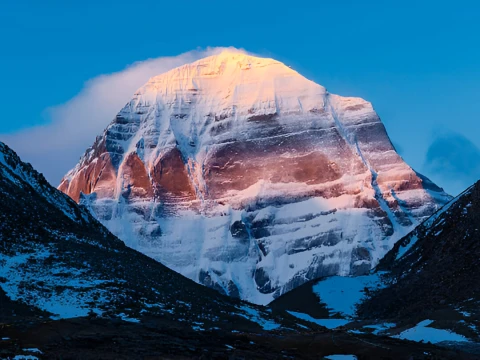
During sunrise and sunset, the light touches the snow and rock face of Mount Kailash, creating a peaceful and divine atmosphere. The mountain looks close, powerful, and sacred. For many travelers, this moment brings tears, silence, prayer, and a deep sense of blessing.
Dirapuk is also one of the best photography points on the Kailash Kora. However, visitors should always remember that this is a sacred pilgrimage site. Respect for the monastery, local customs, prayer flags, and fellow pilgrims is very important.

The Mount Kailash Kora is traditionally completed in three days. Dirapuk Monastery is usually reached on the first day and becomes the overnight resting point before the difficult second day.
The first day of the Kailash Kora begins from Darchen or Yam Dwar. The trail gradually moves through the sacred landscape around Mount Kailash. As pilgrims walk closer to Dirapuk, the north face of Mount Kailash becomes more visible and powerful.
This day is physically demanding because of the altitude, but the trail is also spiritually uplifting. Reaching Dirapuk feels like a blessing after the first day of walking.
The second day is considered the most difficult day of the Mount Kailash Kora. Pilgrims leave Dirapuk early in the morning and cross Dolma La Pass, the highest point of the route.
This section requires patience, proper acclimatization, warm clothing, and strong mental preparation. The altitude is high, the weather can change quickly, and the walk can be challenging. Pilgrims should move slowly and follow the guidance of their tour leader.
The third day is comparatively easier and marks the completion of the Mount Kailash Parikrama. After returning toward Darchen, many pilgrims feel a deep sense of peace, gratitude, and accomplishment.
Dirapuk is remote, cold, simple, and sacred. Pilgrims should not expect luxury facilities. The basic nature of the place is part of the Kailash pilgrimage experience.
At Dirapuk Monastery, travelers can expect simple guesthouse or monastery-area accommodation, limited food options, cold temperatures, strong winds, high-altitude conditions, and peaceful surroundings for prayer and meditation.
Because Dirapuk is located at a very high altitude, pilgrims should walk slowly, drink enough water, eat light food, and rest properly. Headache, dizziness, nausea, or unusual tiredness should be reported to the guide immediately.

Some pilgrims also connect Dirapuk with the sacred Charan Sparsh experience. Charan Sparsh refers to a devotional walk toward the base area of Mount Kailash’s north face.
This side trip is not included in every Kailash Mansarovar itinerary. It depends on weather, route condition, permission, health condition, timing, and guide arrangement. Pilgrims who wish to attempt Charan Sparsh should be physically prepared and should always follow local rules and guide instructions.
The best time to visit Dirapuk Monastery is during the main Kailash Mansarovar Yatra season, generally from late spring to early autumn. During this period, the route is more accessible and the weather is usually more favorable than in winter.
Even during the main travel season, Dirapuk can be extremely cold due to its high altitude. Pilgrims should carry proper warm clothing, windproof jackets, gloves, caps, sunglasses, sunscreen, and comfortable trekking shoes.
A journey to Dirapuk Monastery requires both physical and mental preparation. The altitude is high, facilities are basic, and the weather can change suddenly.
Walk slowly and do not rush. Drink enough water, eat light but nourishing meals, and take rest whenever needed. Avoid comparing your walking speed with others. The Kailash Mansarovar Yatra is not a race; it is a sacred journey.
Respect the monastery, prayer flags, local traditions, and other pilgrims. For many travelers, Dirapuk is one of the most emotional and spiritual moments of their life.
Traveling to Dirapuk Monastery and Mount Kailash requires careful planning. The journey includes Tibet travel permits, transportation, accommodation, guide support, high-altitude preparation, and proper route coordination.
Mission Nepal Holidays organizes meaningful pilgrimage and adventure journeys across Nepal, Tibet, Bhutan, and India. With years of experience in Himalayan travel, the company helps pilgrims begin their Kailash Mansarovar Yatra from Kathmandu with proper guidance, care, and support. With Mission Nepal Holidays, pilgrims can focus more on devotion, inner peace, and the sacred experience of Mount Kailash while the travel arrangements are handled by an experienced team.
Dirapuk Monastery is one of the most powerful and unforgettable places on the Mount Kailash Kora. Its location near the north face of Mount Kailash makes it a major highlight of the Kailash Mansarovar Yatra, while its spiritual atmosphere makes it much more than a trekking stop.
For pilgrims, reaching Dirapuk is a moment of blessing. The silence of the valley, the prayer-filled surroundings, and the majestic view of Mount Kailash create a memory that remains in the heart forever. For anyone planning the Kailash Mansarovar Yatra, Dirapuk Monastery is not just a destination. It is a sacred pause on the path to one of the world’s holiest mountains.

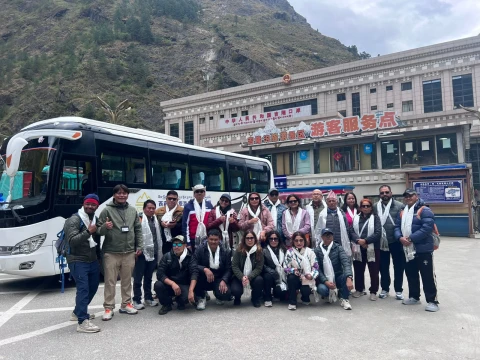
The sacred Kailash Mansarovar Yatra 2026 has officially begun with great devotion, excitement, and spiritual energy. Today marks a historic and auspic...
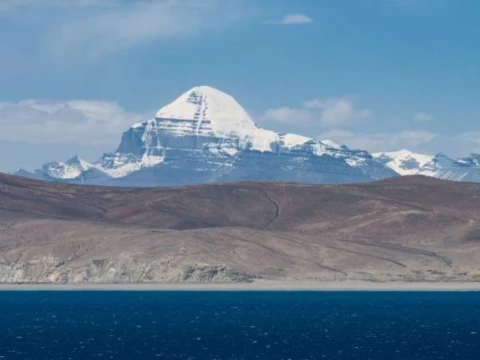
Explore the History of Kailash and the Mythology of Kailash in this detailed guide to Kailash Mansarovar Yatra, uncovering ancient beliefs, legends, a...


